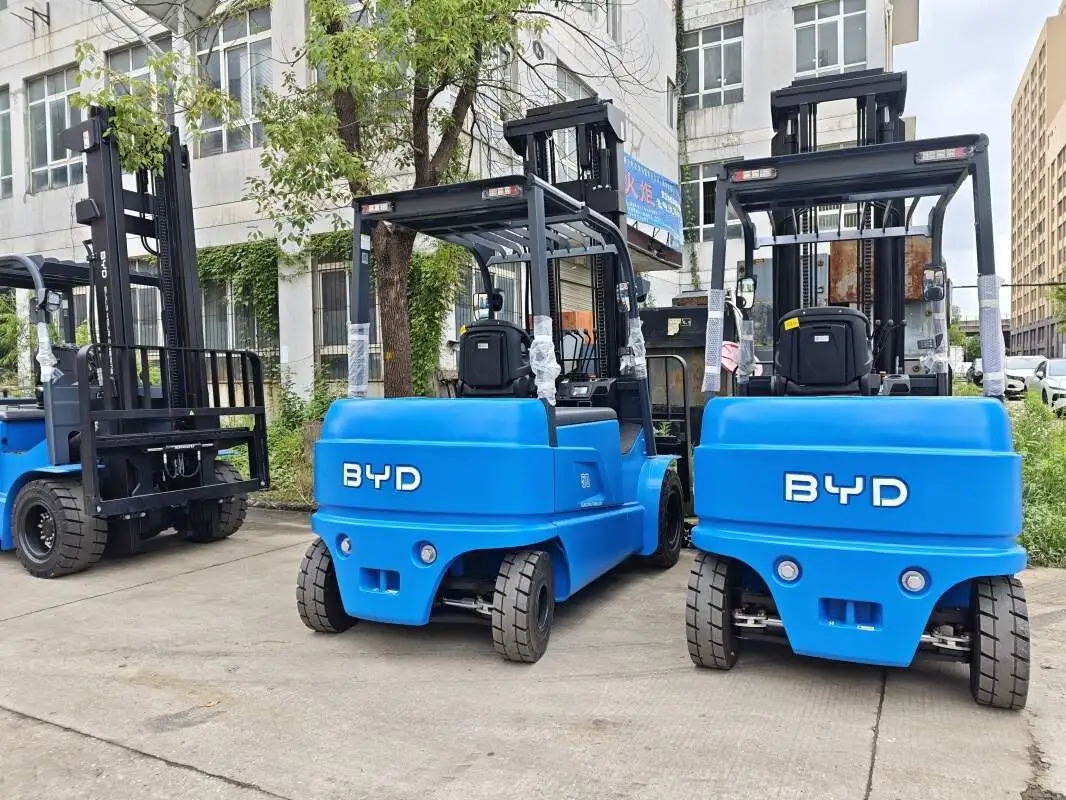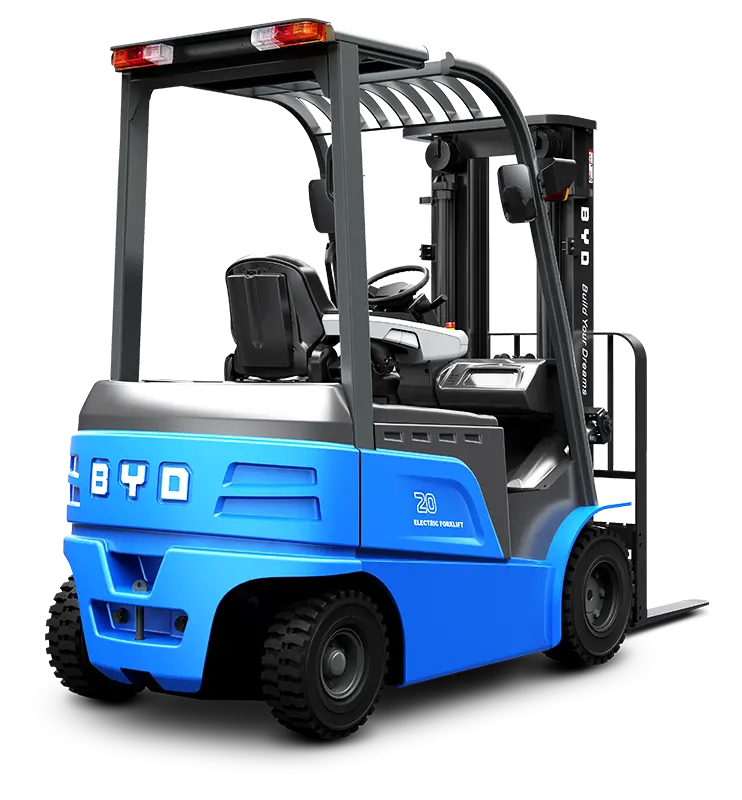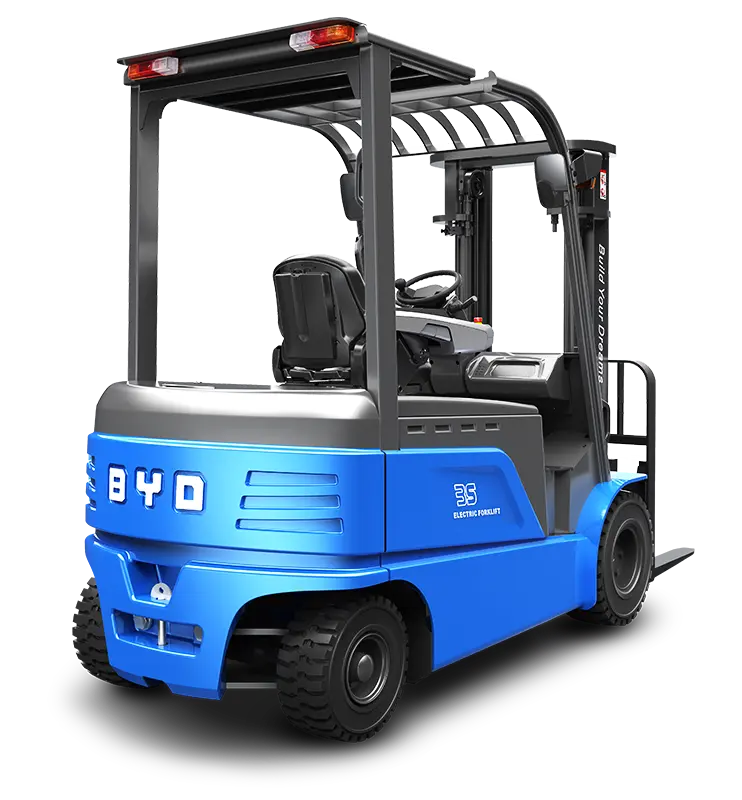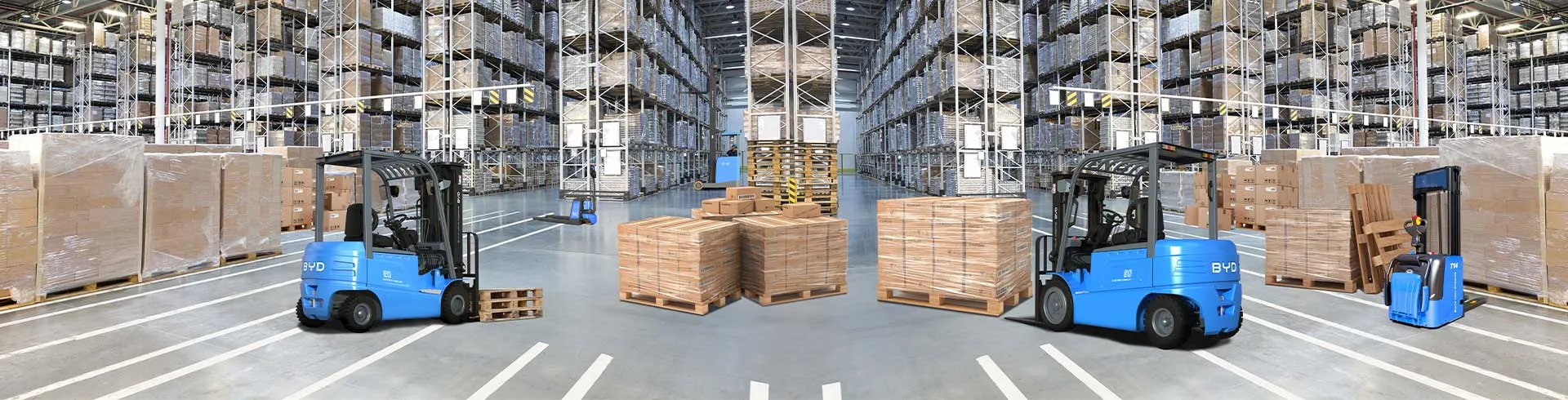
As the material handling industry leans into sustainable, high-efficiency solutions, battery powered electric forklift trucks have become essential for modern warehouse management. This 2026 comprehensive guide breaks down every critical element of these vehicles, empowering businesses and operators to make informed choices that boost productivity and minimize environmental impact.
A key benefit of battery powered electric forklifts is their eco-friendliness. Unlike fuel-powered alternatives, they produce zero tailpipe emissions, making them perfect for indoor operations where air quality is a top concern. In 2026, battery technology advancements have extended runtime—many models now support full-day operation on a single charge. They also operate with far less noise, creating a more comfortable workplace for staff and reducing disruption in noise-sensitive areas. Lower maintenance needs are another advantage: electric forklifts have fewer moving parts than internal combustion engine models, leading to reduced downtime and lower long-term operational costs.
Safe and efficient operation relies on proper training and adherence to best practices. Operators should master the vehicle’s controls, including battery status indicators, lifting mechanisms, and braking systems. A pre-shift inspection is non-negotiable: check battery connections for corrosion, ensure tires are properly inflated, and verify that safety features like horns, lights, and seatbelts function correctly. When operating, maintain a safe speed, especially in narrow aisles or crowded zones, and keep a clear line of sight. For battery handling, follow manufacturer guidelines for charging—use dedicated stations and avoid overcharging, as this can shorten battery lifespan. Store batteries in a cool, dry area to prevent damage from extreme temperatures.
Regular maintenance is critical to keeping these forklifts running smoothly in 2026. Schedule routine check-ups to assess battery health, including testing voltage levels and checking for wear. Clean battery terminals regularly to prevent corrosion that hinders performance. Lubricate moving parts of the lifting mechanism as recommended to reduce friction and extend component life. Periodically inspect brakes and steering systems to ensure quick, reliable response. Keep the forklift’s exterior clean to prevent dirt and debris from entering sensitive components. Working with a qualified service team helps identify potential issues early and ensures compliance with industry safety standards.
When selecting a battery powered electric forklift in 2026, align your choice with operational needs. Evaluate the lifting capacity and maximum height required for your warehouse tasks. Battery type matters too: lithium-ion batteries offer faster charging and longer lifespans than lead-acid options, though they have a higher upfront cost. Assess facility space, including aisle width, to ensure the forklift maneuvers easily. Also, consider total ownership costs—purchase price, maintenance, and charging expenses—to make a cost-effective decision.
Battery powered electric forklift trucks are transforming material handling in 2026, offering a sustainable, efficient, and cost-effective alternative to traditional models. By understanding their benefits, following proper operation and maintenance practices, and choosing the right model, you can optimize warehouse productivity and support a greener future. For more information about reliable battery powered electric forklifts, reach out to us at 17399989919@163.com.