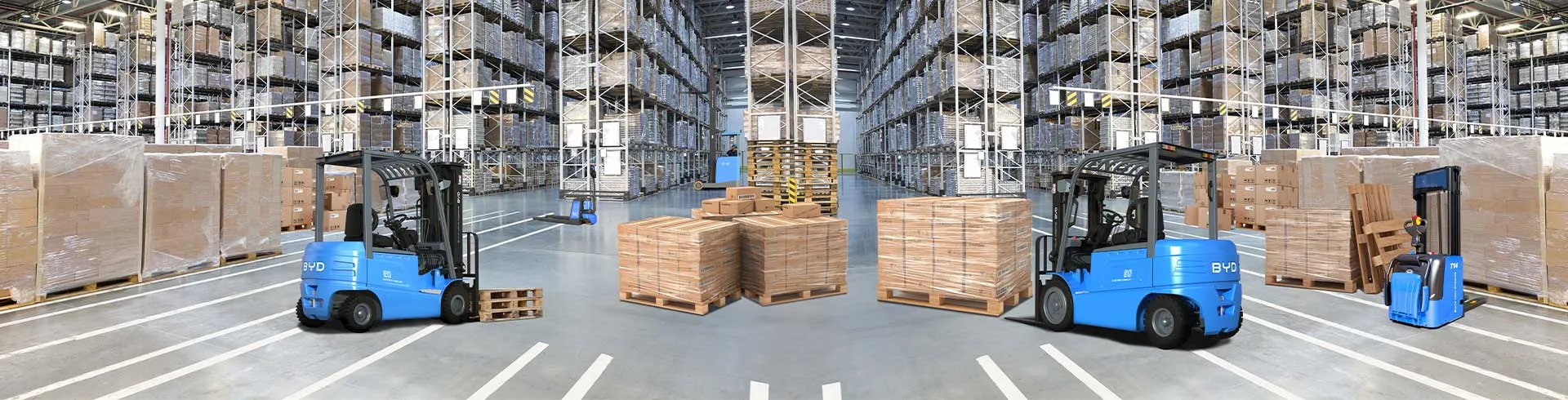
In modern warehouse and distribution center operations, multi-shift working has become a standard practice to meet growing demand for round-the-clock material handling. However, this operational model brings unique pain points that can hinder efficiency and increase costs. Traditional electric forklifts often require long charging hours or manual battery swaps, leading to unplanned downtime, increased labor overhead, and potential safety risks. These challenges can disrupt workflow continuity, affecting overall productivity and profitability.
Fast-charging electric forklifts emerge as a targeted solution to these multi-shift pain points. Unlike conventional models that may take extended periods to fully charge, fast-charging variants are designed to replenish battery power in a fraction of the time—typically within a scheduled break for shift workers. This means forklifts can be quickly recharged during staff rest periods, eliminating the need for time-consuming battery swaps or extended downtime between shifts.
One of the most critical pain points addressed by fast-charging technology is minimized operational downtime. For multi-shift operations, every minute of equipment idleness translates to delayed order fulfillment and lost revenue. Fast-charging capabilities allow forklifts to get back to work quickly, ensuring continuous material flow across shifts. Operators can plug in the forklift during a 30-60 minute break, and the battery gains enough charge to power through the next full shift, without interrupting daily operations.
Another key benefit is reduced labor and maintenance costs. Manual battery swapping requires dedicated staff to handle heavy battery packs, which not only adds labor costs but also increases the risk of workplace injuries. With fast-charging forklifts, there’s no need to swap batteries, reducing the need for additional labor and lowering the risk of musculoskeletal injuries associated with heavy lifting. Additionally, fewer battery swaps mean less wear and tear on battery connectors and related components, reducing long-term maintenance expenses.
Fast-charging electric forklifts also enhance safety and sustainability in warehouse environments. Handling heavy lead-acid batteries poses significant safety risks, including potential spills, electrical hazards, and physical strain on workers. By eliminating the need to remove and replace batteries, fast-charging models reduce these risks, creating a safer workplace for staff. Moreover, electric forklifts produce zero tailpipe emissions, making them a more sustainable choice for indoor operations, improving air quality in warehouses and reducing the facility’s overall carbon footprint.
Beyond these benefits, fast-charging capabilities improve operational flexibility for warehouse managers. Instead of planning workflows around battery swap times or long charging cycles, teams can focus on optimizing order fulfillment and meeting demand peaks. This flexibility allows businesses to adapt quickly to changing operational needs, such as sudden increases in order volume or unexpected shifts in production schedules.
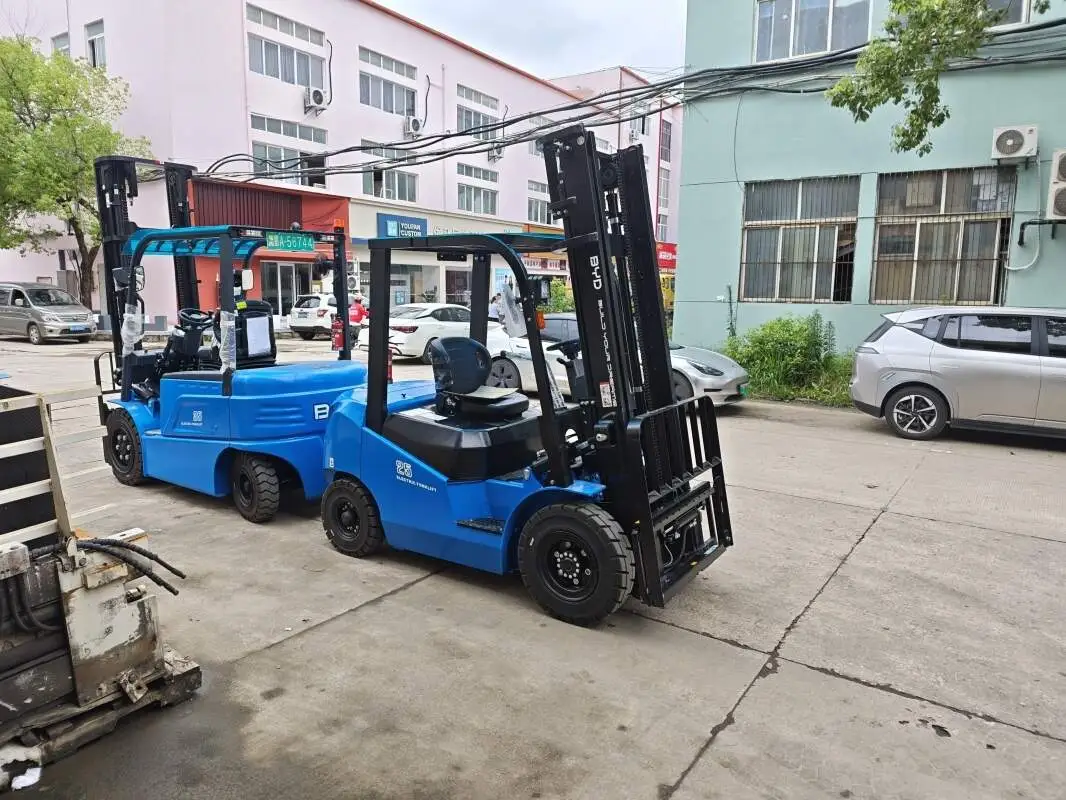
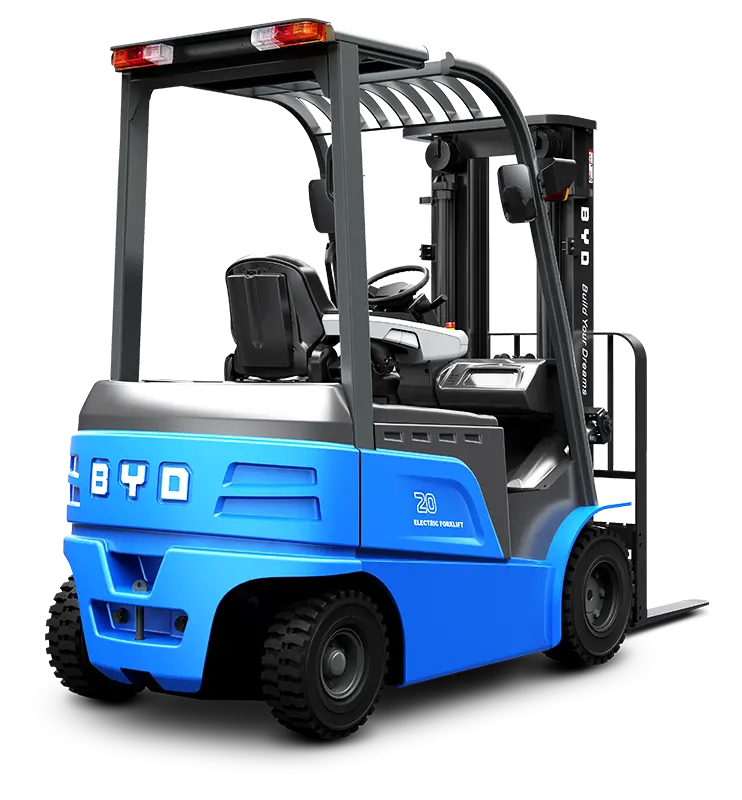
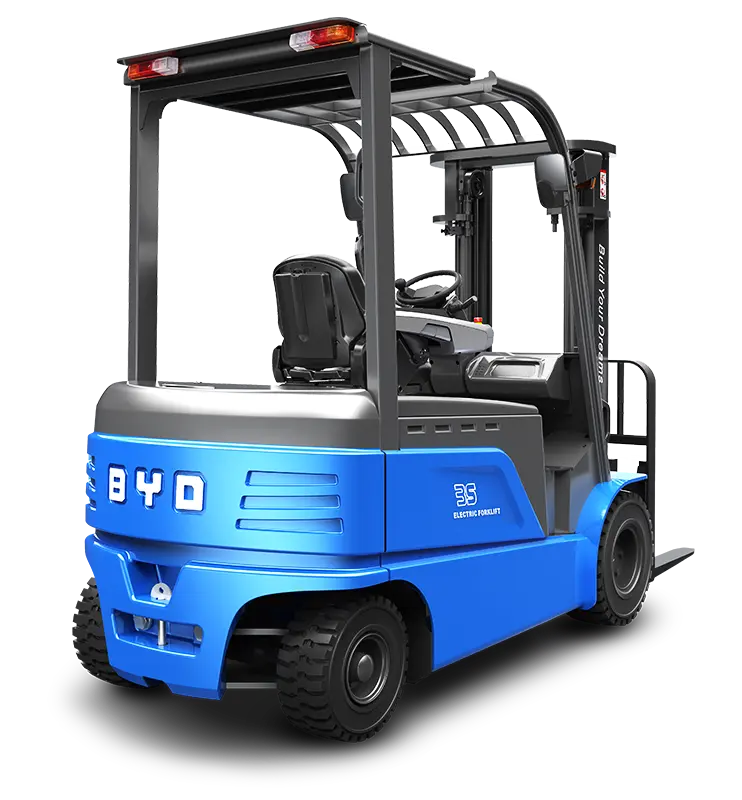
If you’re looking to address the pain points of multi-shift working and boost your warehouse’s operational efficiency, we offer a range of BYD fast-charging electric forklifts tailored to meet your needs. These forklifts are engineered to deliver reliable performance across continuous shifts, with fast-charging technology that keeps your operations running smoothly. For more information or to discuss your specific requirements, please contact us at 17399989919@163.com.
Investing in fast-charging electric forklifts is a strategic decision that can transform your multi-shift operations, reducing downtime, lowering costs, and improving overall productivity. By choosing the right material handling equipment, you can ensure your warehouse is equipped to meet the demands of round-the-clock operations and stay competitive in today’s fast-paced logistics industry.