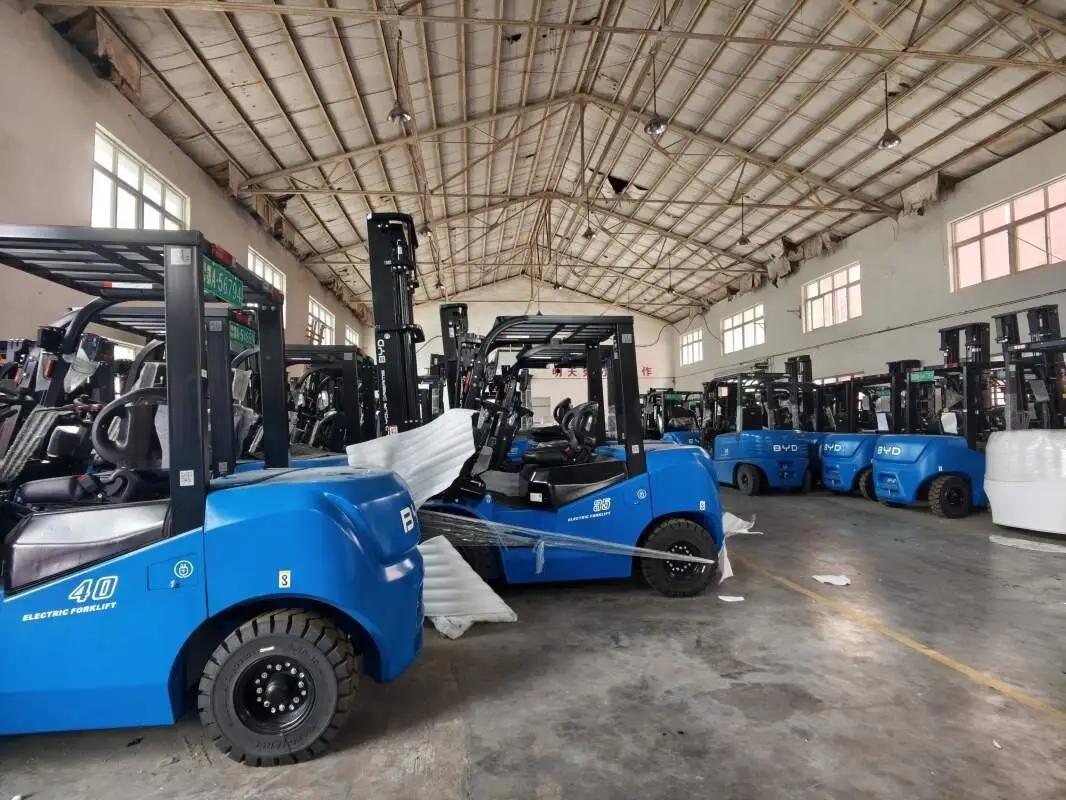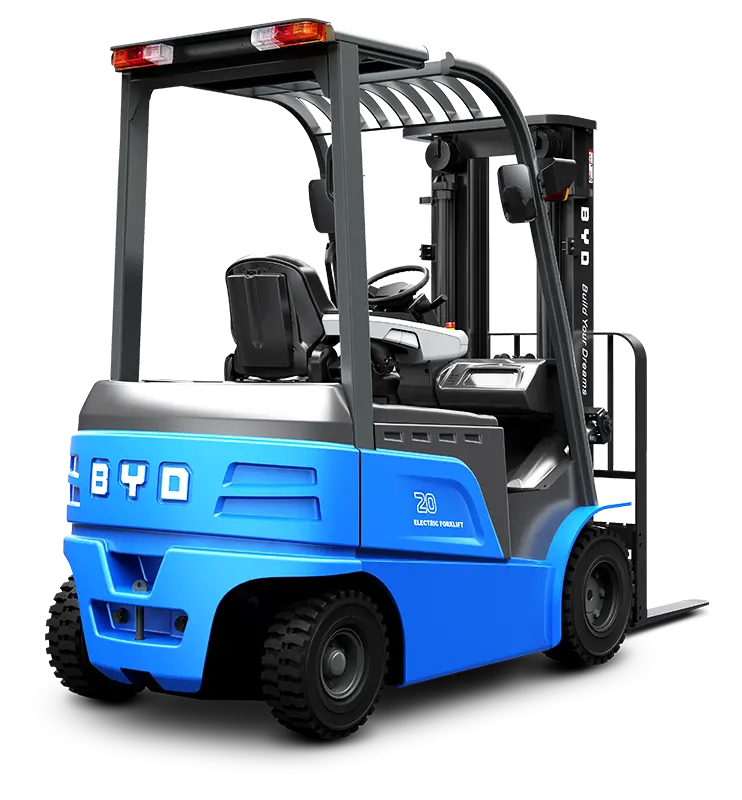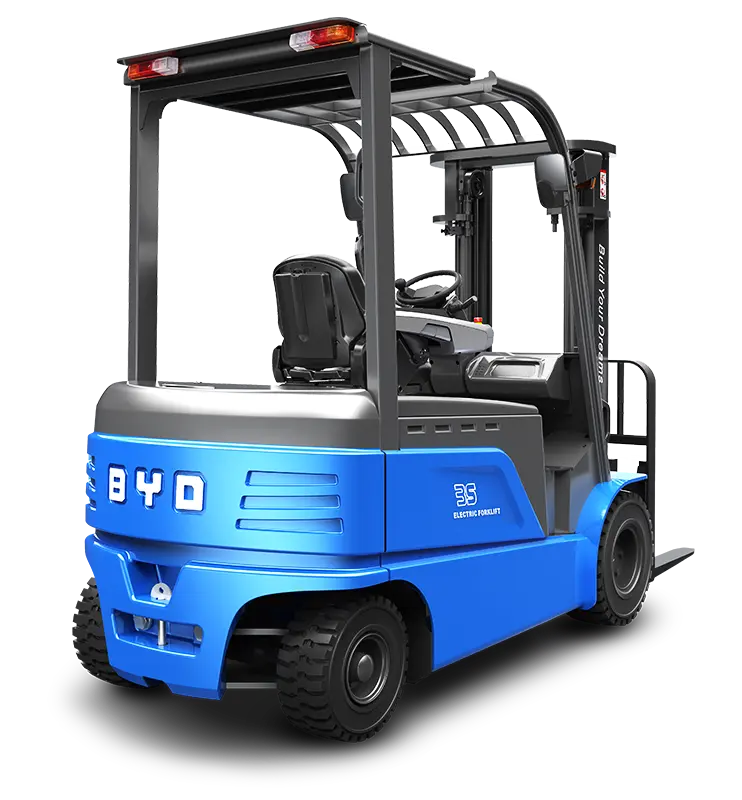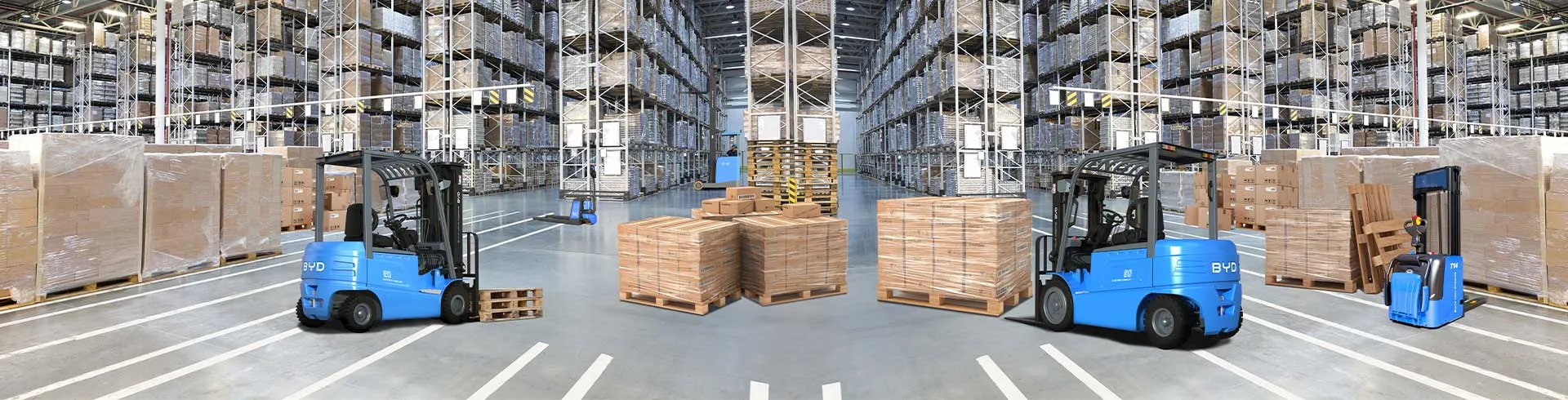
In modern warehouse and distribution centers, electric forklifts have become indispensable tools for efficient material handling. Among the most common configurations are sit-down and stand-up models, each tailored to specific operational needs. Understanding their key differences helps businesses select the right equipment to boost productivity while ensuring operator safety and comfort.
Sit-Down Electric Forklifts: Stability and Comfort for Long Hauls
As the name suggests, sit-down electric forklifts feature a fully enclosed or open-air cabin with a dedicated seat for the operator. Equipped with a steering wheel, foot pedals, and intuitive control panels, these models prioritize operator comfort during extended shifts.
Ideal for large warehouses, outdoor loading docks, or operations involving long-distance material transport, sit-down forklifts excel in handling heavy loads—often ranging from 3,000 to 10,000 pounds. Their robust chassis and low center of gravity provide exceptional stability, making them suitable for stacking pallets at moderate heights (typically up to 20 feet).
However, their larger size means they require wider aisles to maneuver, with a larger turning radius compared to stand-up models. This can limit their efficiency in narrow, compact storage spaces where frequent direction changes are needed.
Stand-Up Electric Forklifts: Agility for Tight Spaces
Stand-up electric forklifts are designed for operators to remain standing during operation, with a compact frame that maximizes maneuverability. These models often feature side-stance controls, allowing operators to easily turn and navigate narrow aisles without repositioning their body.
Perfect for small warehouses, retail backrooms, or facilities with dense racking systems, stand-up forklifts shine in applications that require frequent mounting and dismounting—such as order picking or short-distance, repetitive tasks. Their smaller footprint enables them to operate in aisles as narrow as 6 to 8 feet, making them a top choice for maximizing storage space utilization.
While they offer superior agility, stand-up models generally have a lower load capacity (usually between 2,000 and 6,000 pounds) and are better suited for lower stacking heights (up to 15 feet). Additionally, standing for extended periods may cause operator fatigue, so they are most effective in shifts with regular breaks or shorter operational cycles.
How to Choose the Right Model
When deciding between sit-down and stand-up electric forklifts, consider three key factors:
1. Warehouse Layout: If your facility has wide aisles and open spaces, a sit-down model offers the stability and load capacity needed for heavy, long-distance tasks. For narrow aisles and compact storage, a stand-up forklift’s agility is unmatched.
2. Operational Tasks: Long shifts with continuous transport favor sit-down models for operator comfort. Frequent order picking, short trips, and frequent operator movement make stand-up forklifts more efficient.
3. Load Requirements: For heavy loads and higher stacking heights, sit-down forklifts are the better option. Stand-up models work well for lighter loads and lower-level stacking.
At BYD, we offer a comprehensive range of electric forklift models tailored to diverse material handling needs. Whether you require the stability of a sit-down forklift or the agility of a stand-up model, our solutions are designed to enhance productivity while reducing environmental impact. For more information about our electric forklift offerings, please contact us at 17399989919@163.com.