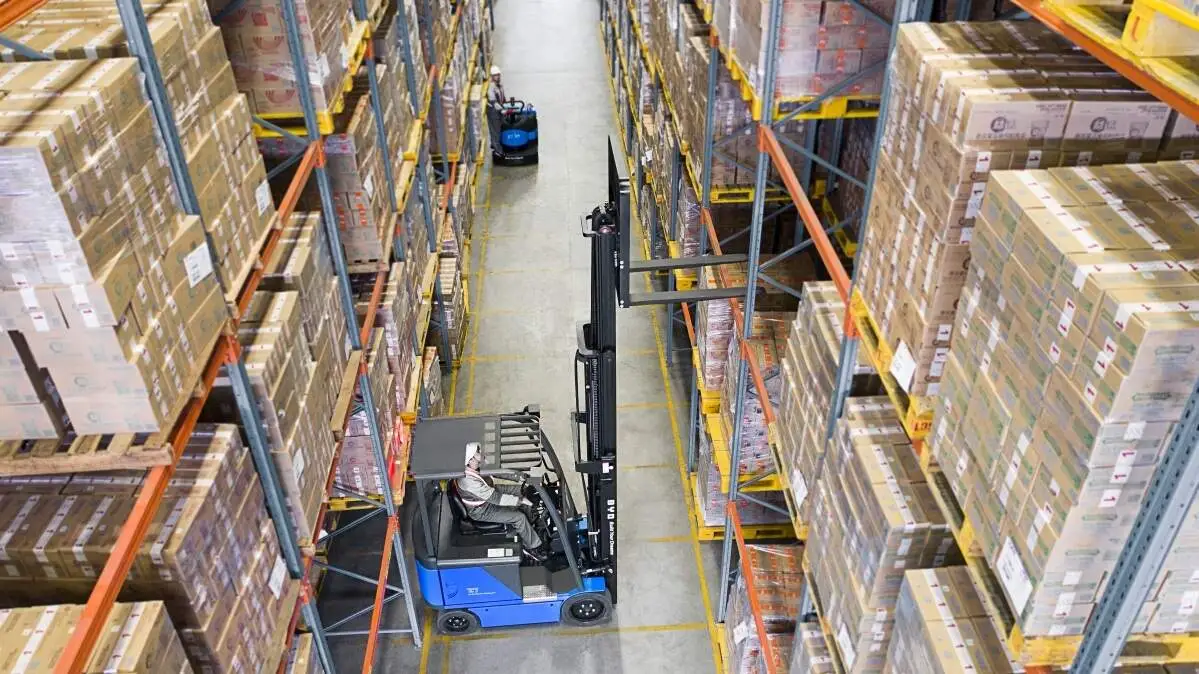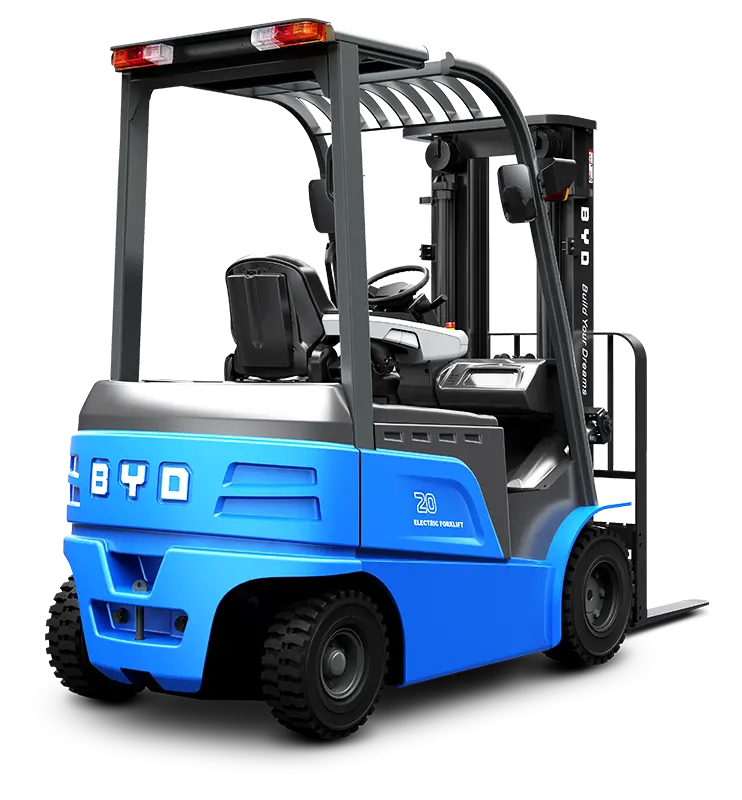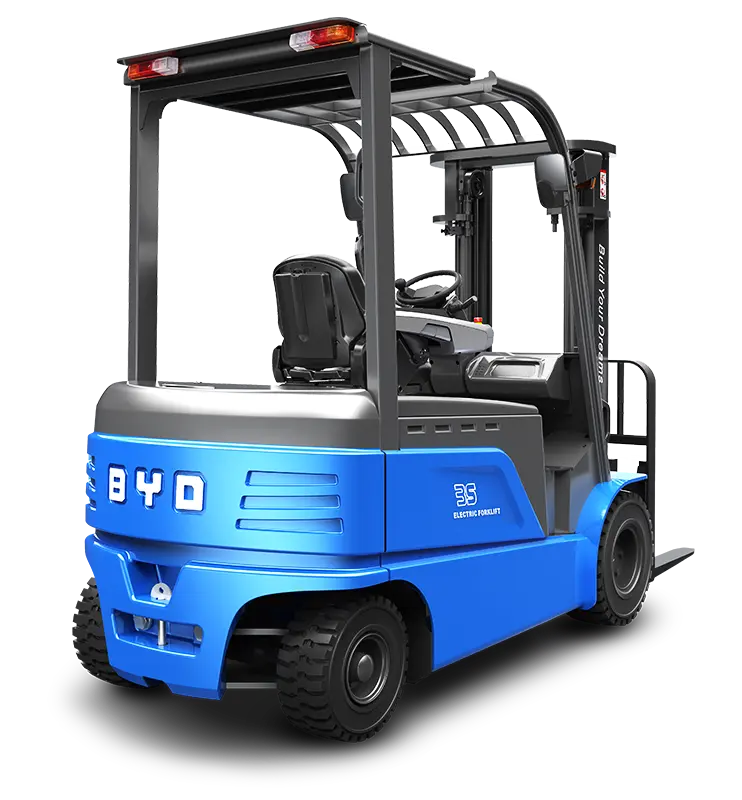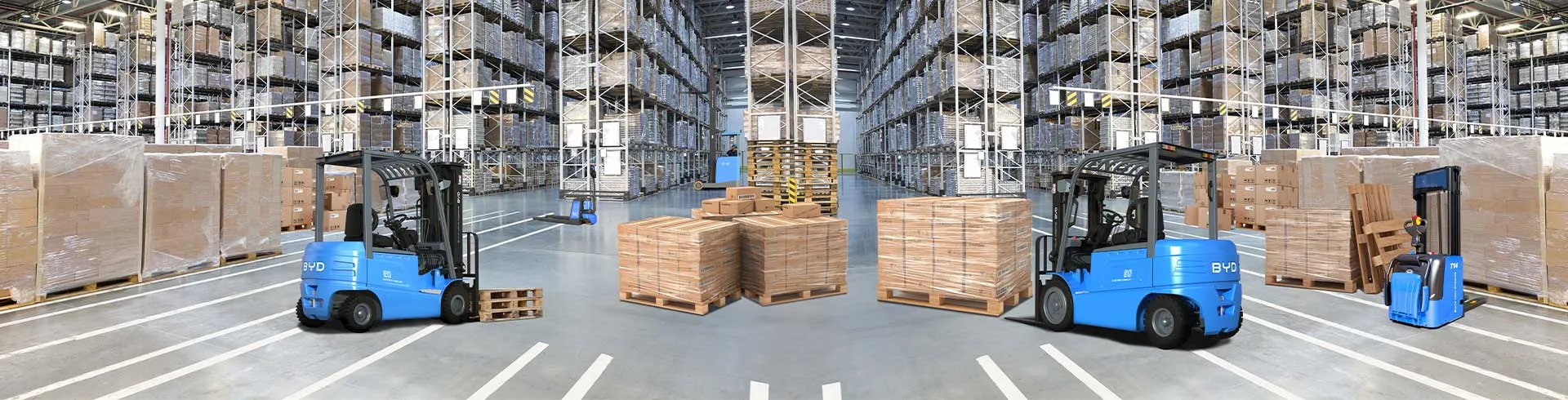
The European Union’s Battery Regulations, enacted to establish a circular and sustainable framework for battery production, use, and end-of-life management, have emerged as a pivotal set of rules for industries relying on electric-powered equipment. For businesses operating fleets of electric forklifts—essential workhorses in warehouses, distribution centers, and manufacturing facilities—these regulations introduce tangible changes to daily operations, procurement strategies, and long-term fleet management. As compliance deadlines approach, understanding the practical application of these rules is vital to avoiding regulatory penalties, optimizing operational efficiency, and aligning with the EU’s broader sustainability objectives.
Core Provisions of EU Battery Regulations Relevant to Electric Forklifts
Before diving into operational applications, it’s critical to outline the key regulatory provisions that directly impact electric forklift batteries. The regulations apply to all rechargeable batteries placed on the EU market, including the large-format industrial batteries used in electric forklifts.
First, Extended Producer Responsibility (EPR) shifts the onus of managing battery end-of-life to producers, but this translates to obligations for operators as well. Operators must ensure that spent batteries are returned to authorized collection points or producers for proper recycling, rather than disposing of them as general waste.
Second, the Battery Passport requirement mandates that all batteries above a certain capacity (including those in electric forklifts) have a digital or physical passport containing critical data. This includes details on the battery’s chemical composition, carbon footprint, origin of raw materials, and recycling potential. Operators will need access to these passports to verify compliance during procurement and to facilitate proper end-of-life handling.
Third, carbon footprint thresholds set limits on the greenhouse gas emissions associated with battery production. For electric forklift batteries, producers must provide a verified carbon footprint declaration, and by 2030, batteries exceeding specified emission limits will be banned from the EU market. This affects operators by influencing their choice of suppliers and battery types.
Finally, minimum recycling efficiency targets ensure that a significant portion of battery materials is recovered and reused. For lead-acid batteries, which are commonly used in electric forklifts, the target is set at a high percentage, while lithium-ion batteries face escalating targets over the coming years. Operators must ensure that spent batteries are processed by recyclers who meet these efficiency standards.
Applying Regulations Across the Electric Forklift Battery Lifecycle
Compliance with EU Battery Regulations requires a lifecycle-focused approach that addresses every stage of an electric forklift battery’s use, from procurement to end-of-life disposal.
Procurement Phase
When sourcing new electric forklift batteries or forklifts equipped with batteries, operators must conduct due diligence to ensure suppliers meet regulatory requirements. This includes verifying that suppliers provide a valid Battery Passport for each unit, complete with all mandatory data points. Operators should also request carbon footprint declarations to confirm that the battery meets current emission limits, as non-compliant batteries cannot be legally placed on the market.
Additionally, operators should assess suppliers’ ability to support ongoing compliance, such as providing updates to the Battery Passport if the battery undergoes modifications or repairs. It’s also important to ensure that suppliers have established EPR schemes to handle battery returns at the end of their lifecycle, reducing the administrative burden on operators.
Operational and Maintenance Phase
During the active use of electric forklift batteries, operators must maintain accurate records to comply with regulatory requirements. This includes tracking battery usage data, such as charging cycles, maintenance activities, and any repairs performed. These records can help demonstrate that the battery was operated in a way that maximized its lifespan, which aligns with the regulations’ circular economy goals.
Operators also need to ensure that battery maintenance practices are aligned with manufacturer guidelines to prevent premature degradation. Proper maintenance not only extends battery life but also ensures that the battery remains within the parameters specified in its Battery Passport. In some cases, modifications to the battery (such as replacing components) may require updates to the passport, so operators must coordinate with suppliers or authorized service providers to make these changes.
Furthermore, operators must be prepared to provide access to battery data and documentation during regulatory audits. This includes keeping copies of Battery Passports, carbon footprint declarations, and maintenance records on file for the entire lifecycle of the battery.
End-of-Life Phase
When an electric forklift battery reaches the end of its useful life, operators must adhere to strict disposal and recycling rules. The first step is to identify authorized collection points or recyclers that are registered with EU national authorities to handle industrial batteries. Operators cannot dispose of spent batteries in general waste streams, as this violates EPR obligations and can result in significant fines.
Before transferring the battery, operators must ensure that all relevant data from the Battery Passport is shared with the recycler to facilitate proper material recovery. This includes details on the battery’s chemical composition, which helps recyclers use the most efficient and environmentally friendly processing methods. Operators should also obtain a receipt or confirmation from the recycler that the battery has been processed in compliance with the regulations’ recycling efficiency targets.
Key Compliance Challenges for Electric Forklift Operators
While the regulations aim to drive sustainability, they present several challenges for electric forklift operators, particularly small and medium-sized enterprises (SMEs) with limited resources.
One of the primary challenges is the increased cost of compliance. Procuring batteries with valid Battery Passports and verified carbon footprints may be more expensive than non-compliant alternatives. Additionally, implementing systems to track battery data and maintain records requires investment in software or administrative resources.
Another challenge is supply chain complexity. Operators must ensure that their entire supply chain—from battery producers to recyclers—complies with the regulations. This may require auditing suppliers, negotiating contracts that include compliance clauses, and staying informed about changes to supplier practices.
Technical barriers also exist, particularly for operators managing older forklift fleets. Some older batteries may not have a Battery Passport, as the regulations apply to batteries placed on the market after specific deadlines. Operators may need to work with suppliers to retroactively obtain passports or consider replacing older batteries with compliant units.
Finally, keeping up with regulatory updates is an ongoing challenge. The EU may revise the regulations over time, adjusting carbon footprint thresholds, recycling targets, or other requirements. Operators must stay informed about these changes to ensure continued compliance.
Strategies to Overcome Compliance Challenges
To navigate these challenges effectively, operators can adopt several proactive strategies:
First, implement a centralized battery management system (BMS) to track battery lifecycle data, including usage, maintenance, and end-of-life handling. This system can store digital copies of Battery Passports and maintenance records, making it easier to access information during audits.
Second, establish long-term partnerships with reliable suppliers who have a proven track record of compliance. Working with suppliers that offer comprehensive support, including passport updates and end-of-life recycling services, can reduce administrative burdens and ensure consistent compliance.
Third, invest in employee training to ensure that staff involved in forklift operation and maintenance understand regulatory requirements. Training should cover how to handle batteries, maintain records, and identify signs of battery degradation that may require attention.
Fourth, conduct regular internal audits to identify gaps in compliance. Audits can help operators address issues before they lead to regulatory penalties, such as missing documentation or improper battery handling practices.
Finally, engage with industry associations and regulatory bodies to stay informed about updates to the EU Battery Regulations. These organizations often provide guidance and resources to help operators understand and comply with new requirements.
Conclusion
The EU Battery Regulations represent a significant shift in how industrial batteries are managed, and electric forklift operators must adapt to these changes to remain compliant and competitive. By taking a lifecycle-focused approach to compliance—covering procurement, operation, and end-of-life handling—operators can not only meet legal requirements but also unlock long-term benefits, such as reduced operational costs, improved sustainability credentials, and enhanced brand reputation. As the EU continues to refine its sustainability framework, staying proactive, informed, and adaptable will be key to successfully managing electric forklift fleets in the region.