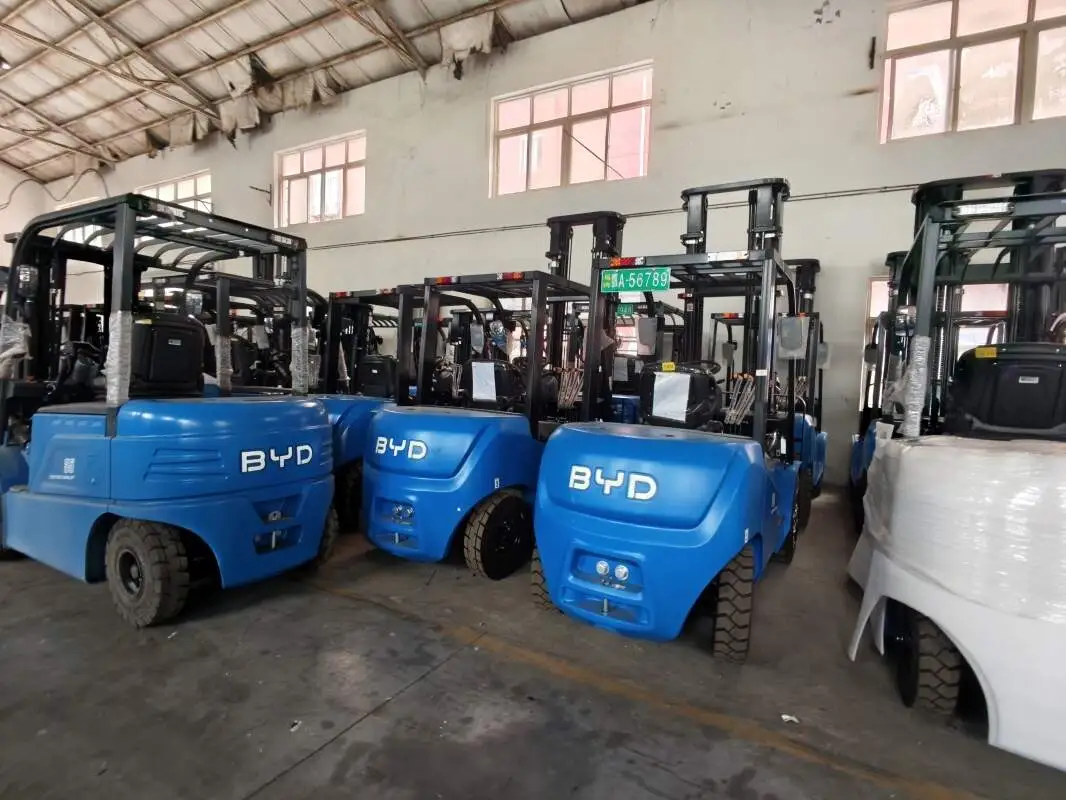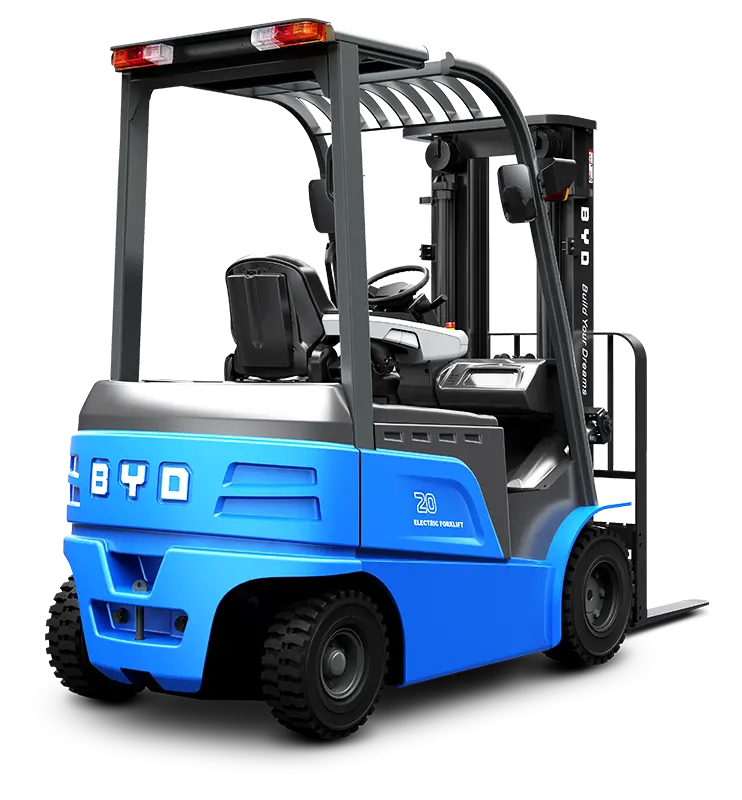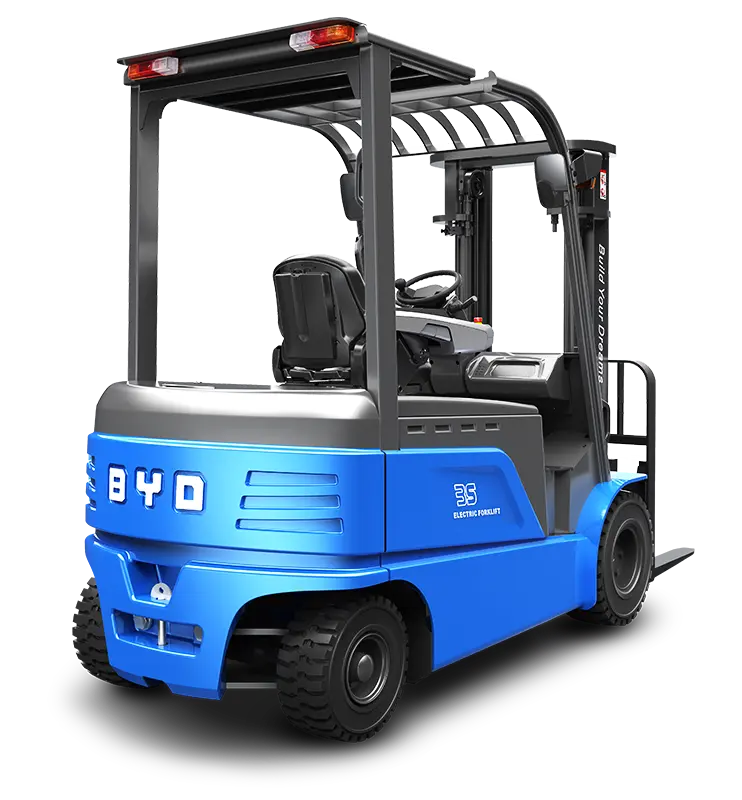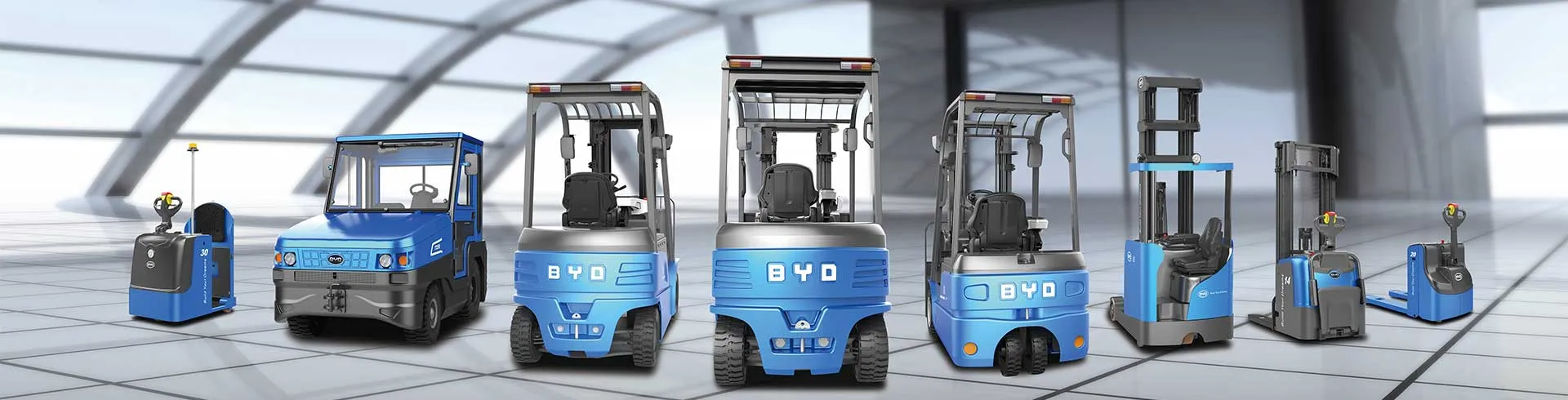
As warehouses and industrial facilities strive to boost operational efficiency and reduce carbon footprints, electric forklifts have emerged as a popular alternative to their internal combustion counterparts. A common question among operators and facility managers is whether these electric-powered vehicles can sustain continuous operation across two daily shifts. This article explores the key factors that determine electric forklift feasibility for 2-shift use, including battery performance, charging infrastructure, operational practices, and maintenance protocols.
The cornerstone of continuous 2-shift operation lies in battery capacity and charging accessibility. Traditional lead-acid batteries typically offer 6-8 hours of runtime per charge, which may fall short for extended shifts without proper charging arrangements. However, modern lithium-ion batteries have significantly improved endurance, delivering 8-10 hours of consistent operation on a single full charge. For 2-shift scenarios, facilities can adopt two primary charging strategies: opportunity charging and battery swapping. Opportunity charging involves plugging the forklift into a fast charger during short breaks, such as lunch or shift changeovers, to top up the battery and extend runtime. Battery swapping systems allow operators to replace a depleted battery with a fully charged one in a matter of minutes, eliminating downtime associated with lengthy charging sessions. It’s important to note that battery performance can vary based on load weight, terrain, and ambient temperature, so facilities should assess their specific operational demands when selecting batteries and charging solutions.
To maximize electric forklift uptime across two shifts, facilities can implement targeted operational practices. First, optimizing task allocation helps reduce unnecessary energy consumption. Assigning lighter loads to forklifts during later stages of a shift, when battery levels may be lower, can help preserve power. Additionally, minimizing idle time is crucial—turning off the forklift when not in use, even for short periods, can conserve battery life. Operators should also be trained to drive smoothly, avoiding sudden acceleration or braking, which can drain the battery faster. Environmental conditions play a role too; cold temperatures can reduce battery efficiency by up to 20%, so maintaining a controlled warehouse temperature within the recommended range for battery performance can help sustain consistent runtime.
Regular maintenance is essential to ensure electric forklifts remain reliable for 2-shift operation. For batteries, routine checks include inspecting terminals for corrosion, ensuring proper fluid levels (for lead-acid batteries), and verifying charging system functionality. Overcharging or deep discharging can shorten battery lifespan, so facilities should use smart charging systems that automatically adjust charging levels based on battery state. Beyond batteries, regular inspections of the forklift’s motor, hydraulic system, and tires are necessary to identify and address issues before they lead to downtime. Scheduling preventive maintenance during off-hours, such as overnight, ensures that the forklift is ready for operation at the start of each shift.
In conclusion, electric forklifts can indeed operate continuously for two daily shifts, provided that facilities invest in appropriate battery technology, establish robust charging infrastructure, implement efficient operational practices, and adhere to a consistent maintenance schedule. By addressing these key areas, businesses can leverage the environmental and cost-saving benefits of electric forklifts while meeting the demands of extended operational hours. As battery technology continues to advance, the feasibility of 2-shift electric forklift operation will only improve, making it a viable solution for a growing number of industrial and warehouse settings.