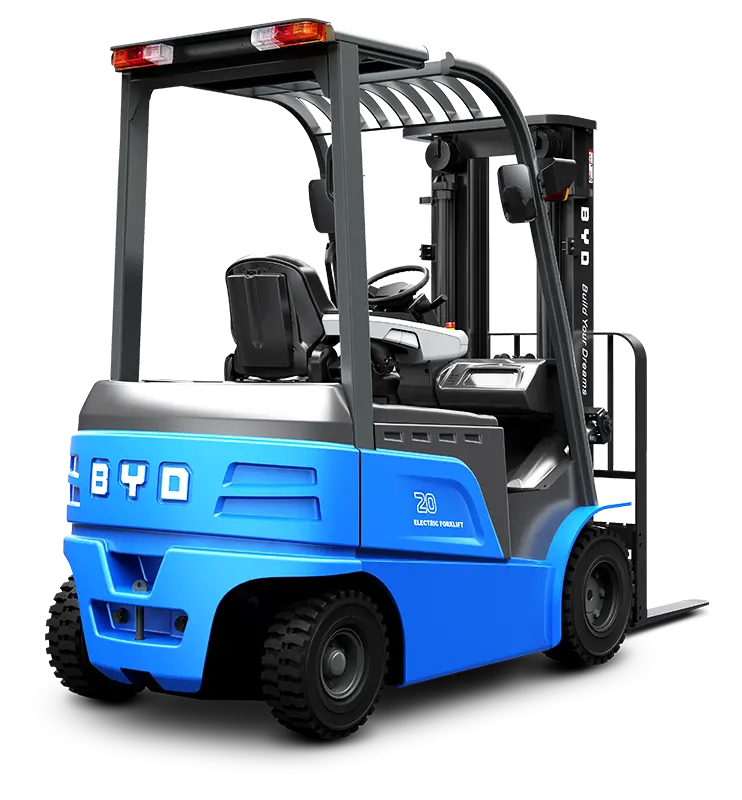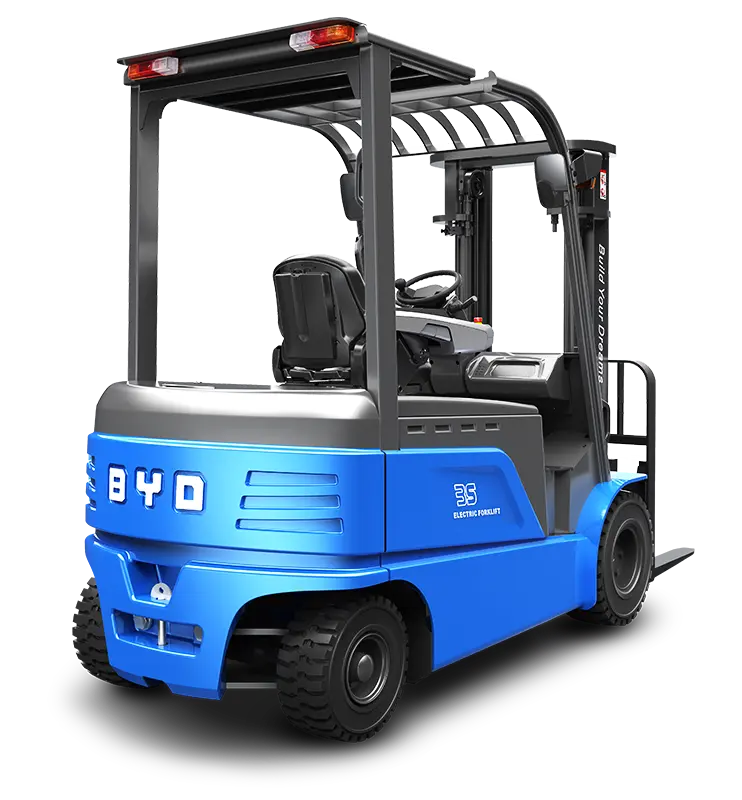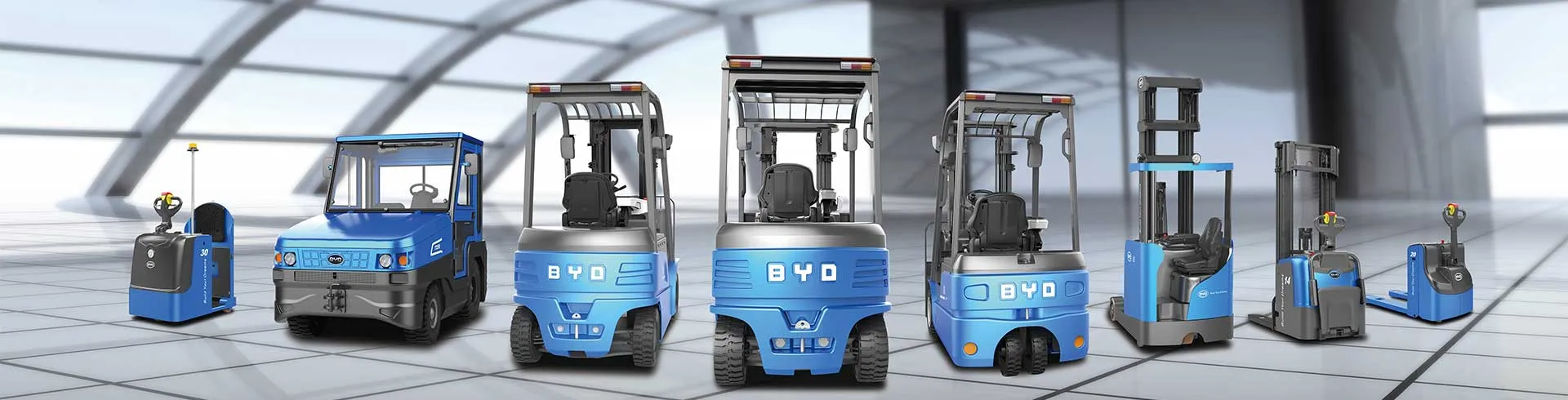
In the field of cold chain logistics such as food and medicine, cold storage is the core link of low-temperature storage, and the particularity of its operating environment places strict requirements on storage equipment. Especially under the extreme low temperature conditions of minus 20 ° C, traditional internal combustion forklifts face low-temperature start-up difficulties, exhaust pollution, and high energy consumption. Lithium-electric forklifts, with their advantages of zero emissions, low noise, and easy maintenance, have gradually become the mainstream choice for cold chain cold storage. However, how to scientifically configure lithium-electric forklifts in low-temperature environments to ensure their stable operation and operation efficiency is the core issue that cold chain enterprises pay attention to.
Core Configuration Requirements for Lithium Battery Forklifts in Low Temperature Environments
The low temperature environment of the cold chain cold storage has special requirements for the power system, electrical system, and mechanical structure of the forklift. Under the working condition of minus 20 ° C, the forklift needs to focus on solving the problems of battery capacity attenuation caused by low temperature, motor efficiency reduction, and slow response of the hydraulic system. The core configuration needs to focus on the following dimensions:
#Low temperature performance optimization of battery system
The charging and discharging efficiency of lithium batteries will decrease significantly in low temperature environments, and the increase in electrolyte viscosity will slow down the ion migration rate, which will lead to capacity attenuation and battery life shortening. Therefore, when configuring a lithium forklift at minus 20 ° C, the battery system needs to have:
1. Thermal insulation and heating design: The battery pack needs to use a multi-layer composite thermal insulation structure, the outer layer is wrapped with thermal insulation materials (such as EVA thermal insulation cotton), and the inner layer is integrated with an intelligent temperature-controlled heating module to stabilize the battery operating temperature above 5 ° C through PTC heating elements.
2. Battery management system (BMS) adaptation: BMS requires a low-temperature voltage compensation algorithm to monitor the temperature and voltage of the single battery in real time, and automatically adjust the charge and discharge power when starting at low temperature to avoid power interruption caused by low voltage.
3. Capacity redundancy configuration: Considering that the actual battery life at low temperature is only 60% -70% of room temperature, it is necessary to configure a battery pack with a capacity of 20% -30% more than room temperature according to the operating time of the cold storage (e.g. 8 hours per day) to ensure continuous operation requirements.
#Power system low temperature stability guarantee
The low temperature environment has a significant impact on the power output stability of the forklift, and the motor and controller must have:
1. Optimization of low-temperature motors: Permanent magnet synchronous motors are selected, with low-temperature rare earth permanent magnet materials for the rotor and low-resistance copper for the stator windings to reduce energy loss at low temperatures. The motor controller needs to integrate a low-temperature start protection program to reduce the starting resistance through pre-excitation current.
2. Transmission system adaptation: fully enclosed gearbox design, filled with low-temperature special gear oil (viscosity index ≥100), with low-temperature lubrication system of clutch and differential to ensure power transmission efficiency.
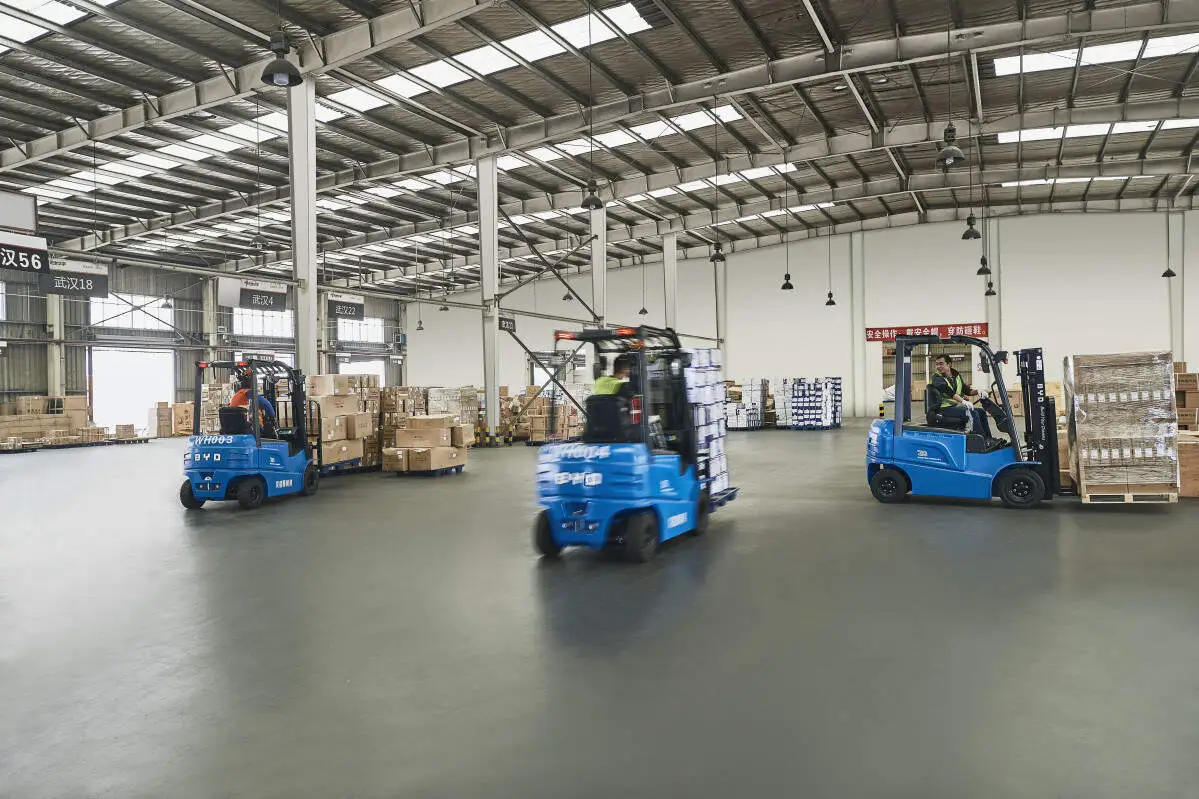
3. Vehicle lightweight design: Optimize the frame structure and use high-strength aluminum alloy materials to reduce the load on the power system due to the body's own weight, and indirectly improve the climbing and heavy-duty capacity under low temperature conditions.
#Electrical system low temperature protection design
The low temperature and high humidity in the cold storage environment can easily lead to frost and short circuit of electrical components. It is necessary to ensure system safety from the following aspects:
1. Harness and connector protection: The vehicle wiring harness is made of fluororubber insulation layer, the connector must have a protection level above IP67, and the interior is filled with waterproof sealant to avoid the decline of insulation performance caused by low temperature frosting.
2. Circuit system preheating function: Pre-heat key circuits (such as controllers and sensors) for 10-15 seconds through a low-pressure heating wire before startup to prevent malfunctions caused by poor circuit contact at low temperatures.
3. Hydraulic system low-temperature adaptation: The hydraulic pump uses a low-temperature axial piston pump, with anti-wear hydraulic oil with a viscosity grade of -40 ° C, and maintains the hydraulic oil temperature through a pipeline heating device (power ≤50W) to ensure the response speed of the hydraulic system.
Matching of Key Performance Parameters at minus 20 ℃
In the specific configuration, it is necessary to combine the actual needs of the cold storage operation scenario and focus on matching the following parameters:
#Work efficiency and working condition adaptation
Lifting and handling capacity: According to the average weight of the goods (e.g. 1-3 tons), choose a forklift that matches the rated lifting weight, and the lifting speed needs to be ≥0.2m/s (hydraulic oil fluidity is reduced at low temperatures, and pump flow needs to be appropriately increased).
- Steering and passing: The width of the cold storage channel is usually 2.5-3 meters, and the turning radius needs to be ≤2 meters. The full hydraulic steering system is adopted, and the steering handle is equipped with a low temperature heating film to ensure the comfort of operation in a low temperature environment.
#Security and compliance requirements
Protection level: The IP protection level of the whole vehicle needs to reach above IP54 to avoid water vapor in low temperature environments from invading the electrical system; the cab glass is coated with anti-fog coating to prevent low temperature frost from affecting the line of sight.
- Emergency braking and alarm: Equipped with special brake fluid for low temperature environment (freezing point 11728413 2001-45 ° C), the brake pedal travel is 5-10mm shorter than the normal temperature working condition to ensure sensitive braking response at low temperature; Install reversing radar and sound and light alarm device to reduce the risk of visual blind spot in low temperature environment.
Selection of function modules suitable for the scene
According to the diversity of cold storage operations, functional modules can be specifically configured:
- Multi-temperature zone operation adaptation: If the cold storage contains a -20 ° C freezing zone and a 0 ° C refrigeration zone, a switchable battery heating module can be selected to achieve cross-temperature zone operation by adjusting the heating power (50-200W).
- Special cargo handling: For long goods (such as frozen meat, pipes), telescopic forks can be installed; for pallet goods, hydraulic clamps with weighing function can be configured, and the weighing accuracy error is ≤±0%.
Automation expansion: If you need to realize unmanned operation, you can reserve an AGV navigation interface, configure a laser navigation sensor (operating temperature -25 ° C to 55 ° C), and cooperate with a wireless communication module that operates stably in a low temperature environment.
Low temperature precautions for use and maintenance
After the configuration is completed, it is necessary to establish the use and maintenance specifications under low temperature conditions:
Check before daily operation: Check the battery temperature before operation (≥0 ° C before starting), and confirm the BMS status through the on-board display screen; the tire pressure will decrease at low temperatures, and it needs to be adjusted to 1.1 times the standard value in advance.
- Charging management: Before charging, move the battery pack to an environment above 5 ° C to preheat for 30 minutes to avoid lithium evolution problems caused by low-temperature charging; monitor the battery temperature during charging, and automatically suspend charging when it exceeds 40 ° C.
- Regular maintenance: Charge the battery pack evenly every 3 months, check the lubrication of the motor bearings every month, and replace the low-temperature special grease; the hydraulic system is replaced with low-temperature hydraulic oil every six months to ensure that the system has no residual moisture.
In the cold chain cold storage environment of minus 20 ° C, the configuration of lithium-ion forklifts needs to focus on low temperature adaptability, and ensure the stable operation of the equipment in extreme environments through battery insulation, power optimization, electrical protection and other technical means. When selecting a model, enterprises should formulate a scientific configuration plan based on their own operating frequency, cargo type and space layout, and pay attention to daily maintenance and operation specifications to achieve efficient and safe cold chain storage.