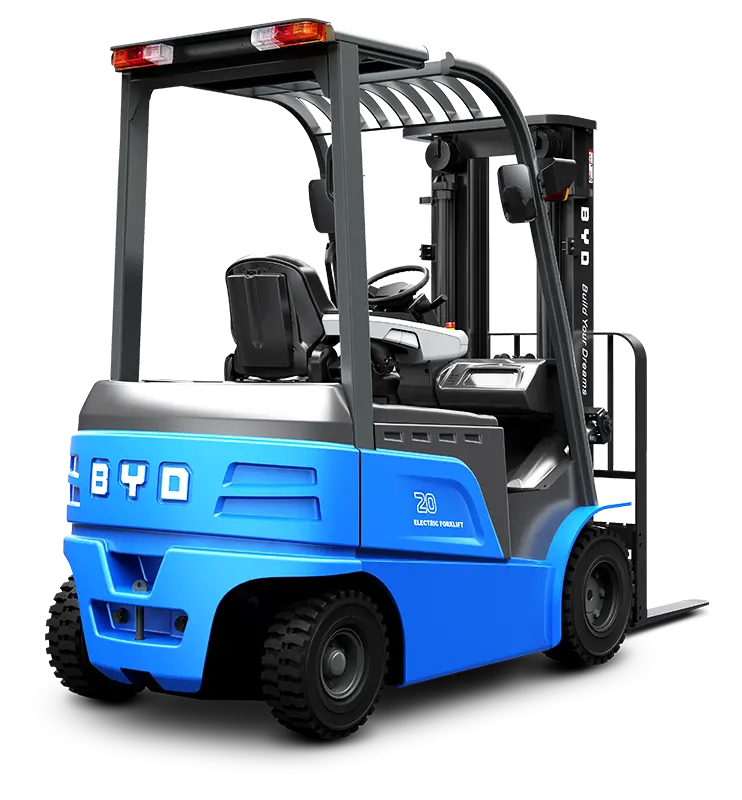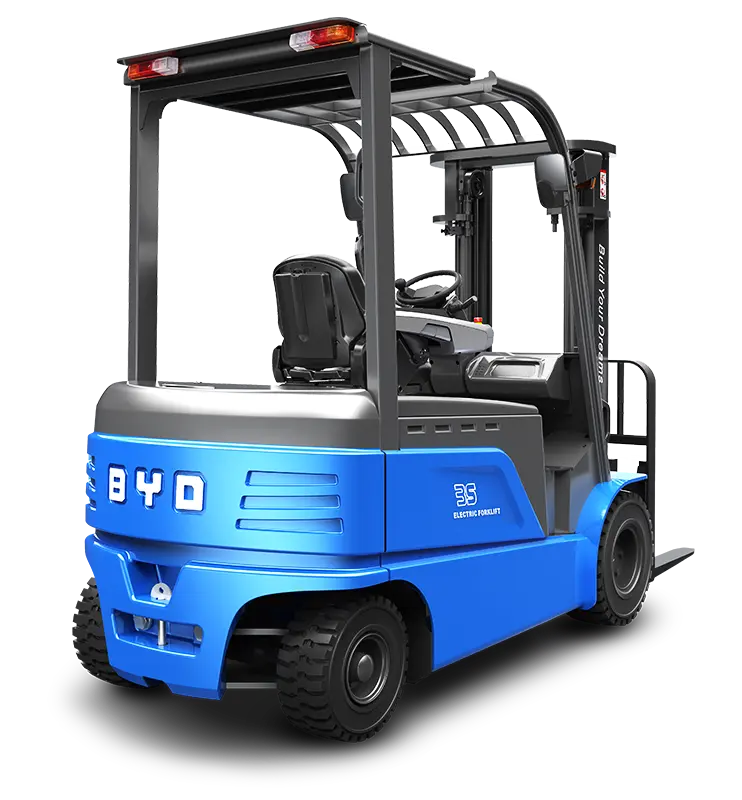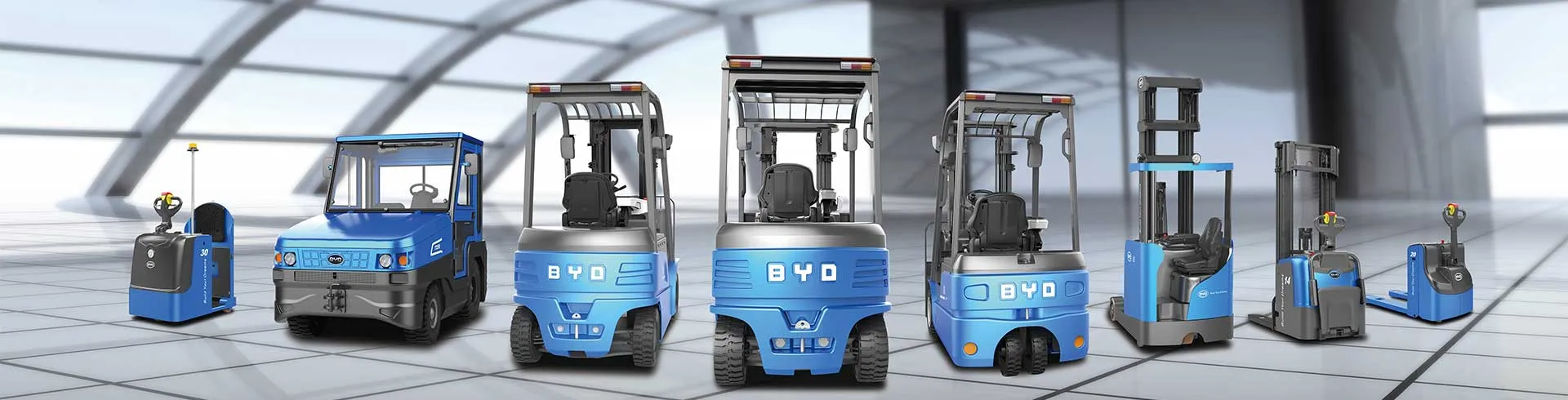
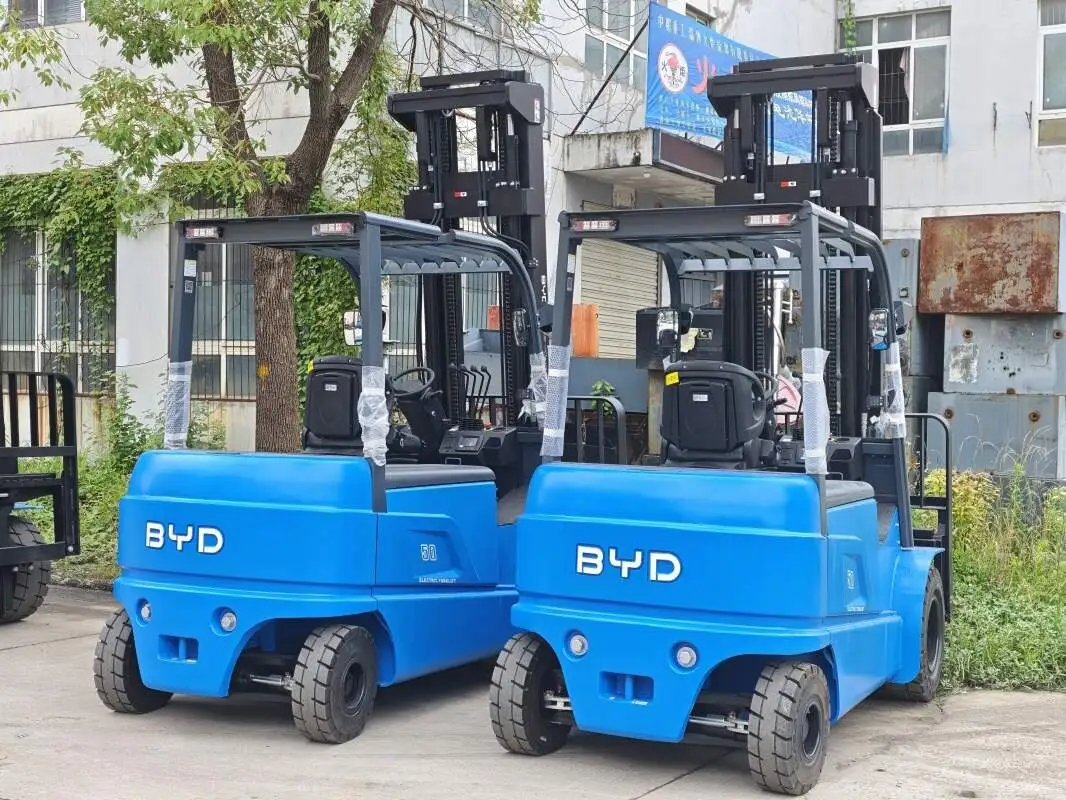
In the warehousing operation system, the selection of electric forklifts is directly related to operation efficiency and long-term operating costs. Combining the actual working conditions of the warehouse with the appropriate model is the core principle.
Match the basic working conditions of the warehouse and select the model.
Determine lifting capacity based on shelf height
The height of the warehouse shelf is the primary reference for selection. If the shelf is mainly low-level storage, an electric forklift with a lifting height of about 3 meters can meet the daily operation needs. If it involves high-level shelf storage, you need to choose a higher lifting height model. At the same time, the stability of the forklift during high-level operation should be considered to avoid affecting the access of goods due to insufficient lifting height.
Select the body size according to the channel width
The width of the warehouse operation channel determines the body size and turning radius of the forklift. If the warehouse channel is narrow, a vehicle with a small turning radius and a compact body should be selected to ensure flexible steering and passage in a narrow space. If the channel width is sufficient, a conventional-sized forklift can be selected to improve the single-load efficiency of cargo handling and avoid waste of space resources.
Customized configuration based on cargo operation requirements
Match carrying capacity according to cargo weight
When selecting a model, it is necessary to reserve about 10% of the carrying capacity based on the maximum weight of the goods handled daily. For example, if you often handle 1 ton of goods, you can choose an electric forklift with a carrying capacity of 1.5 tons to avoid long-term overload operations affecting the service life of the equipment. At the same time, it is necessary to ensure the safety of the operation.
Select the power configuration according to the handling frequency
If the warehouse operation frequency is high, it is necessary to choose a battery configuration with strong battery life, and at the same time consider the convenience of charging facilities to ensure the continuous operation of the equipment; if the operation frequency is low, the battery with regular battery life can meet the demand and reduce the cost of procurement and use.
Model adaptation for special working conditions
For special storage environments such as cold storage and explosion-proof, it is necessary to choose the corresponding electric forklift. In cold storage environments, forklifts need to have cold-resistant materials and sealing properties to avoid low temperatures affecting the operation of batteries and mechanical components; in explosion-proof environments, forklifts need to meet corresponding explosion-proof standards to prevent safety hazards caused by equipment operation.
The selection of electric forklifts requires a comprehensive consideration of the basic working conditions of the warehouse, the needs of the cargo operation and the special environmental requirements, and the adaptation conditions are checked one by one in order to select the model that best meets the needs of the warehousing operation and improve the stability and overall efficiency of the operation.