Electric forklifts are the core equipment of modern warehousing and logistics operations. As two mainstream models, counterweight and reach electric forklifts have significant differences in structure, performance and application scenarios. Reasonable selection directly affects warehousing operation efficiency and cost control.
Analysis of the core differences between the two
Structural design differences
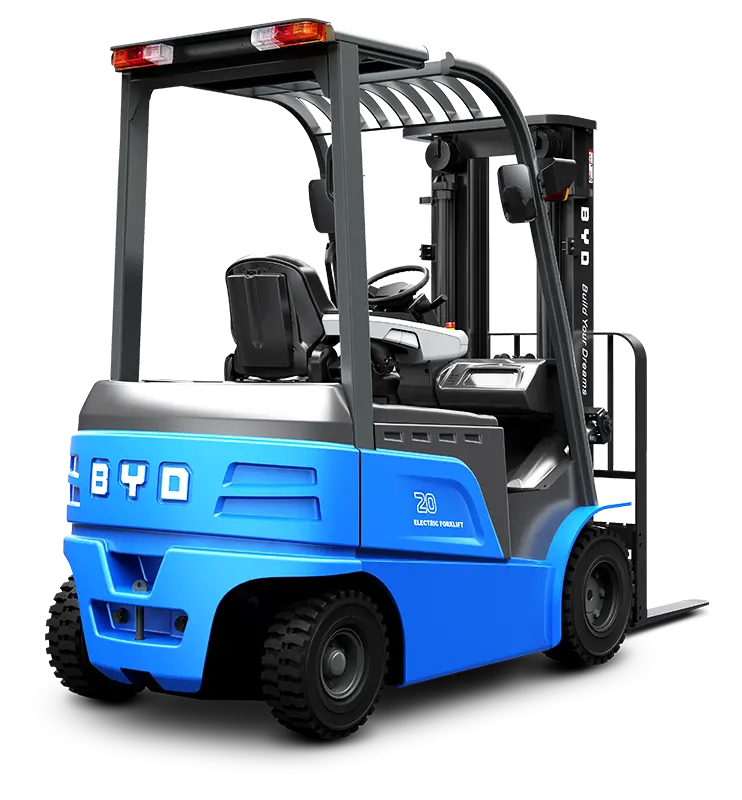
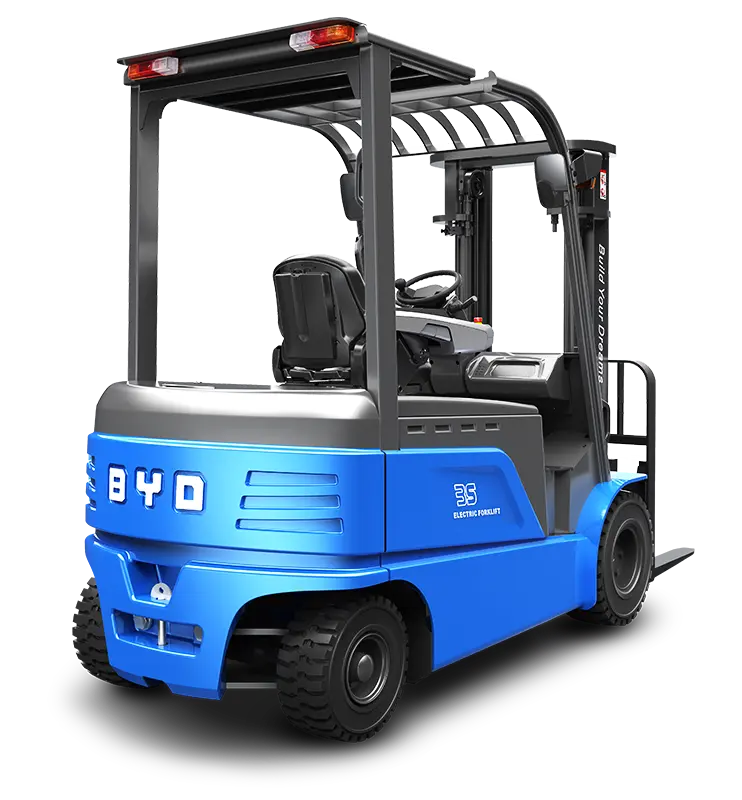
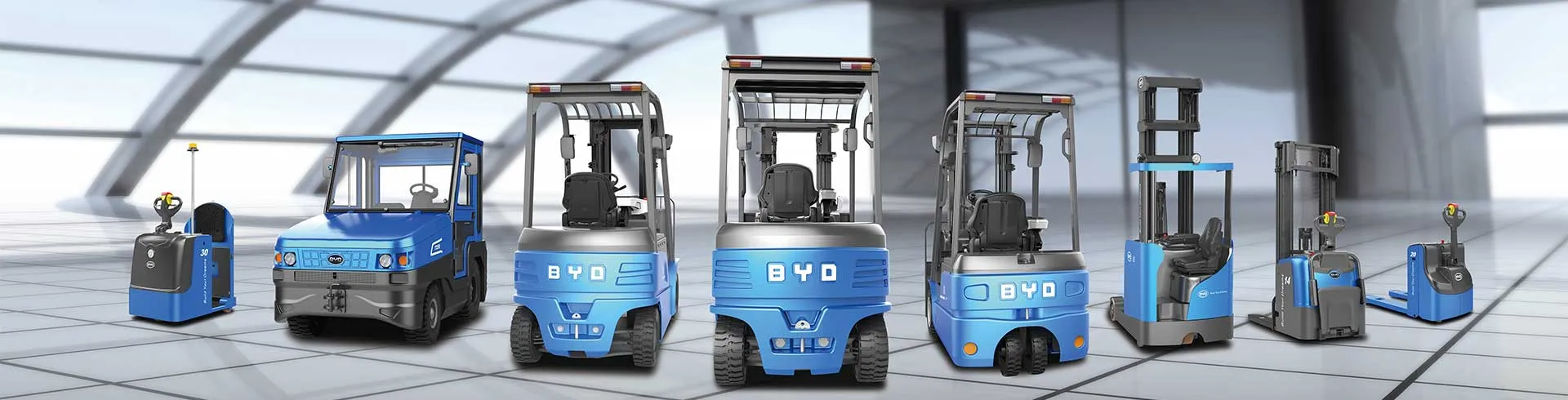
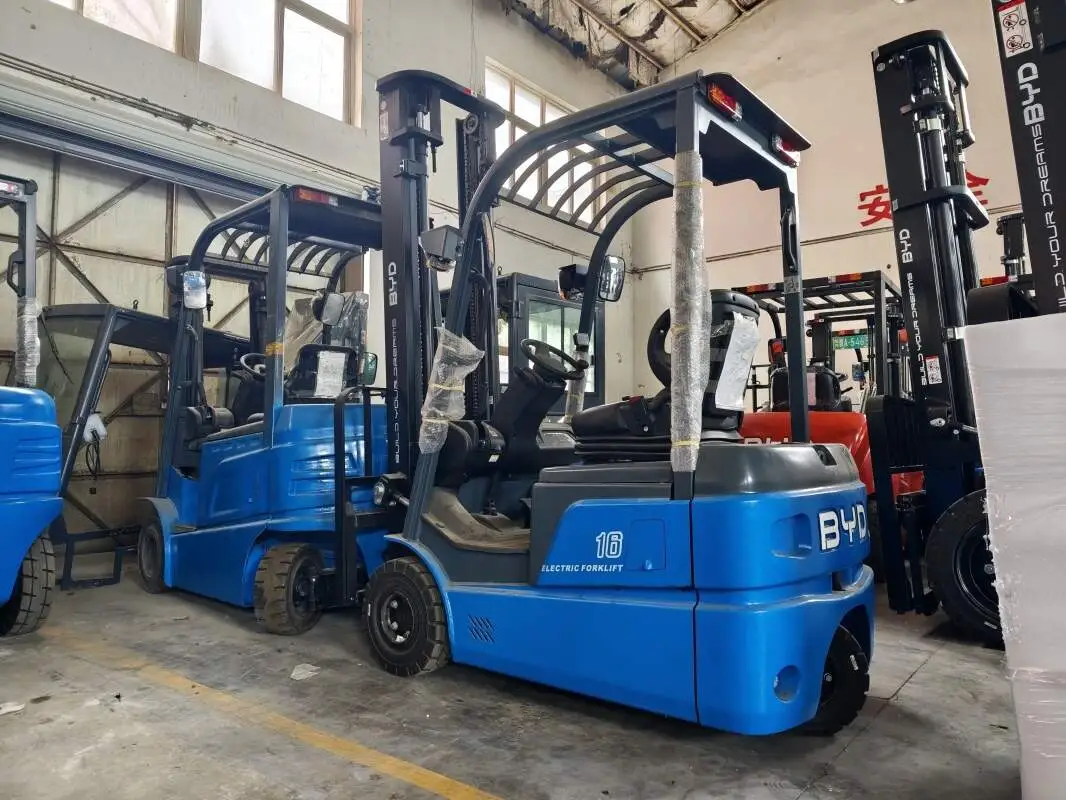
The rear of the counterweight electric forklift is equipped with a counterweight block, which relies on the counterweight to balance the load of the front fork, and the overall body structure is wide; the forward-moving electric forklift has no tail counterweight, and the gantry can be extended forward to drive the fork forward to move above the front wheel. The body is relatively compact.
Different performance characteristics
The balance weight electric forklift has a wider load range and can adapt to the handling of heavier goods, but it requires higher ground flatness, and the ground turbulence can easily affect the stability of the operation. The forward-moving electric forklift focuses on space utilization and has a relatively moderate load. It can complete cargo access in a small space with lower energy consumption and is suitable for long-term indoor operations.
Job flexibility distinction
The balance weight electric forklift has a large turning radius, requiring a more spacious working space, making it difficult to operate in a narrow channel. The turning radius of the forward-moving electric forklift is small, and the forward-moving design of the gantry makes it possible to complete cargo loading and unloading without significantly adjusting the body. It is suitable for narrow-channel storage environments.
Selection guide for different warehousing scenarios
Large open storage and heavy cargo scenarios
If the storage site is open and heavy cargo handling and stacking are the main ones, it is recommended to choose a counterweight electric forklift. Its large load capacity can efficiently complete the loading, unloading and transshipment of heavy goods, adapt to the ground conditions of the open field, and meet the operation needs of large quantities of goods.
Narrow aisle small storage and high-rise shelf scene
For scenes where indoor narrow aisle storage and high-rise shelves are dense, the reach electric forklift is a better choice. Its compact body can flexibly shuttle through narrow aisles, and the door frame forward function can accurately access high-rise shelf goods, improve space utilization and reduce operating energy consumption.
Small and medium-sized high-frequency handling scene
If the daily operation is based on the high-frequency handling and storage of small and medium-sized goods, the flexibility and low energy consumption advantages of the reach electric forklift are more obvious, which can reduce the operation time and improve the overall storage circulation efficiency; if it involves the regular handling of heavy goods, it can be matched with a counterweight electric forklift to supplement the operation.
Enterprise selection requires considering the actual requirements of storage space, cargo weight, and operation frequency, and comprehensively considering the characteristics of the two types of forklifts in order to achieve efficient and low-cost storage operations.