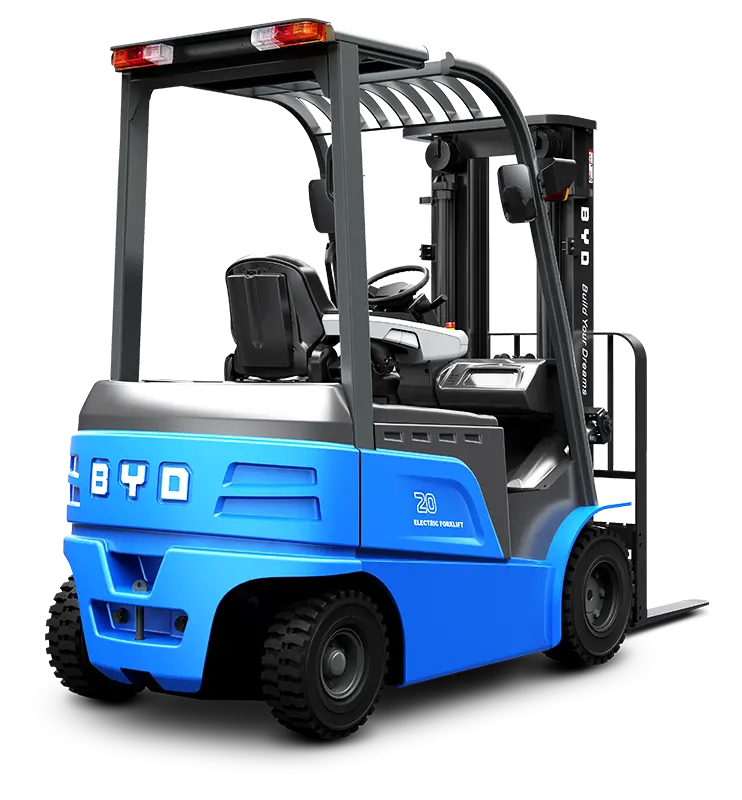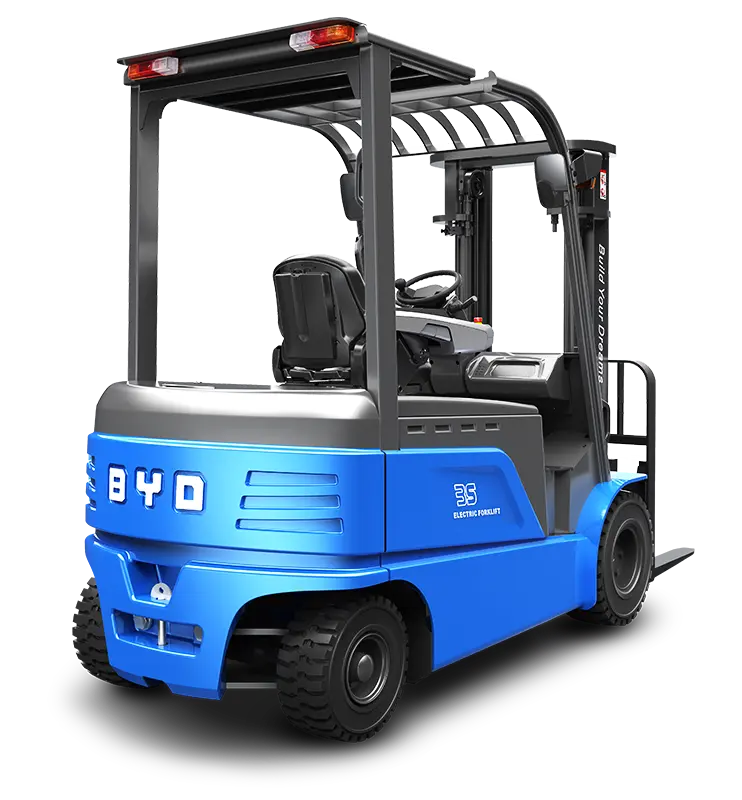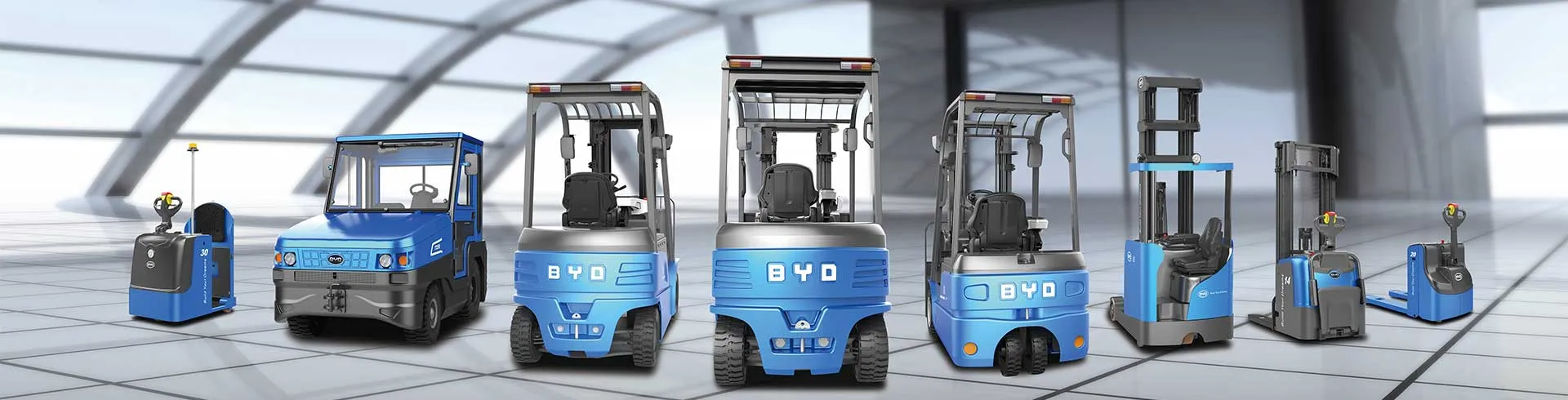
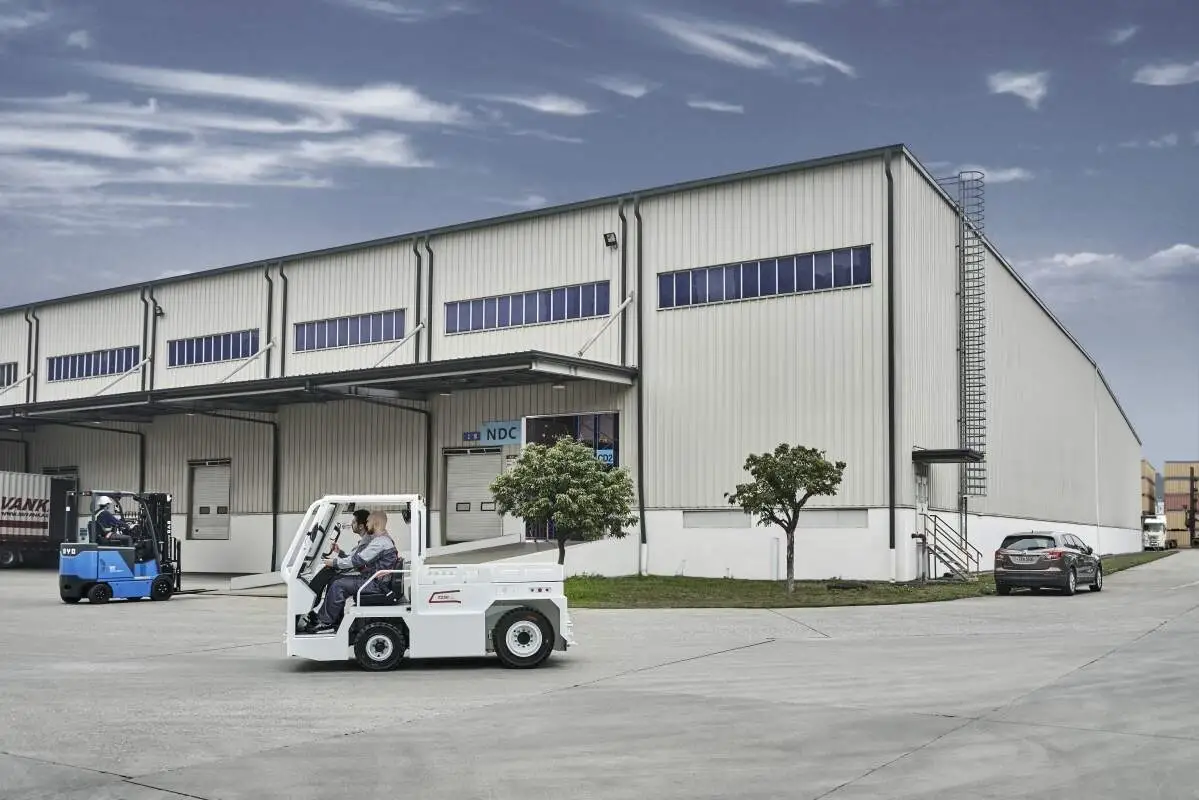
In warehousing and logistics operations, narrow roadway forklifts have become the core equipment for cargo handling in small spaces due to their compact body and flexible handling. Faced with the 1.6-ton RTR16i and 2-ton RTR20i models, many users will be confused about the selection. In fact, as long as they combine their own demand dimension analysis, they can find a suitable solution.
Core dimension of narrow roadway forklift truck selection
Load requirements are fundamental
In daily operations, if the weight of a single container of goods is less than 1.6 tons and there is no frequent heavy-duty demand, the 1.6-ton model is sufficient to meet the operation requirements; if there are many 2-ton cargo handling needs, or occasional temporary operations close to the rated load, the load redundancy of the 2-ton model can better adapt to the scene and avoid insufficient capacity.
Workspace is key
The width of the narrow lane directly affects the model selection. Although both models are designed for narrow lanes, the 1.6-ton model has a more compact body width and a smaller turning radius, suitable for ultra-narrow lanes with a width of less than 2.5 meters, and can be flexibly steered in a limited space. The 2-ton model has a slightly wider body size due to its larger load, and is suitable for more than 2.8 meters of roadway space, which can ensure safety and flexibility during operation and avoid scratching shelves or goods.
Analysis of the differentiated characteristics of the two models
Adaptation scenario of 1.6 ton RTR16i
This model is designed for light-duty and high-frequency narrow roadway operations, with high body flexibility. It can efficiently complete cargo storage and storage operations in scenarios where space is limited and most goods are lightweight, such as small e-commerce warehousing and pharmaceutical cold chain warehousing. At the same time, its energy consumption is relatively low, making it suitable for long-term continuous light-duty operations, which helps to reduce daily operating costs.
Adaptation scene of 2 tons RTR20i
This model focuses on heavy-duty stability. The body structure has been strengthened and the bearing capacity is stronger. It is suitable for scenarios with certain heavy-duty requirements such as manufacturing parts warehouses and medium-sized e-commerce warehouses. When handling heavy pallet goods, the body stability is better, which can effectively reduce the risk of goods falling from tilt and improve the safety of the operation process.
Final purchase suggestion
If your storage space is dominated by ultra-narrow roadways, with a daily cargo load of less than 1.6 tons, the 1.6-ton RTR16i is preferred to maximize the fit space and control energy consumption; if there is a 2-ton cargo handling demand and the roadway width is sufficient, the heavy-duty capacity of the 2-ton RTR20i can better match the operation requirements. In addition, it can also be comprehensively considered in combination with factors such as operation frequency and daily operating costs to ensure that the selected model is fully adapted to its own storage operation system.