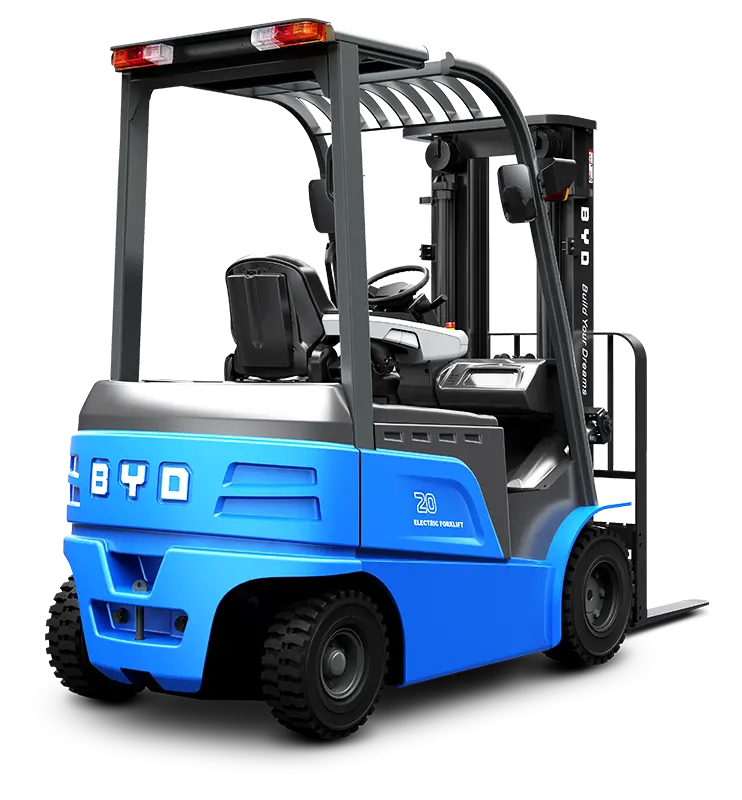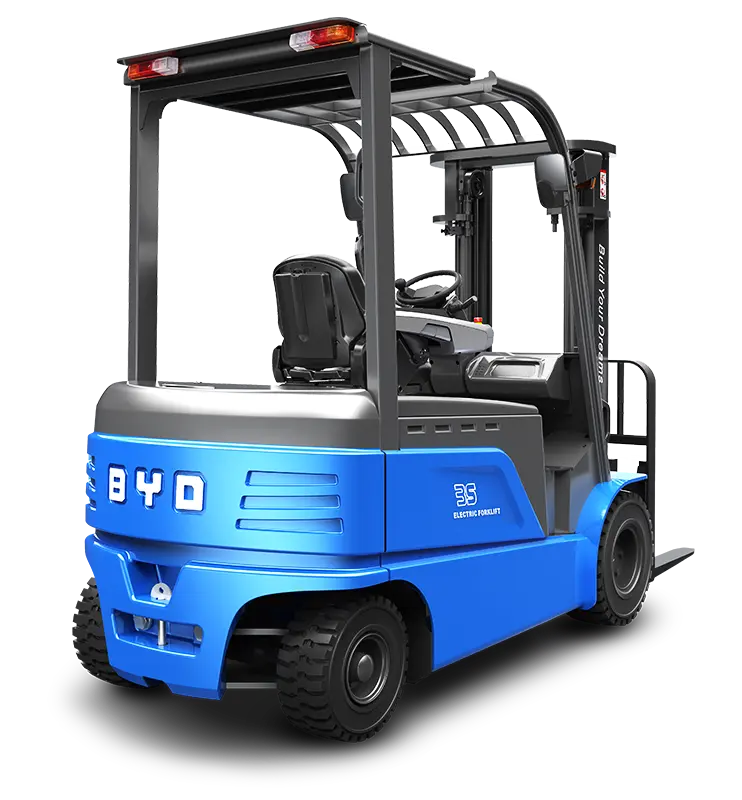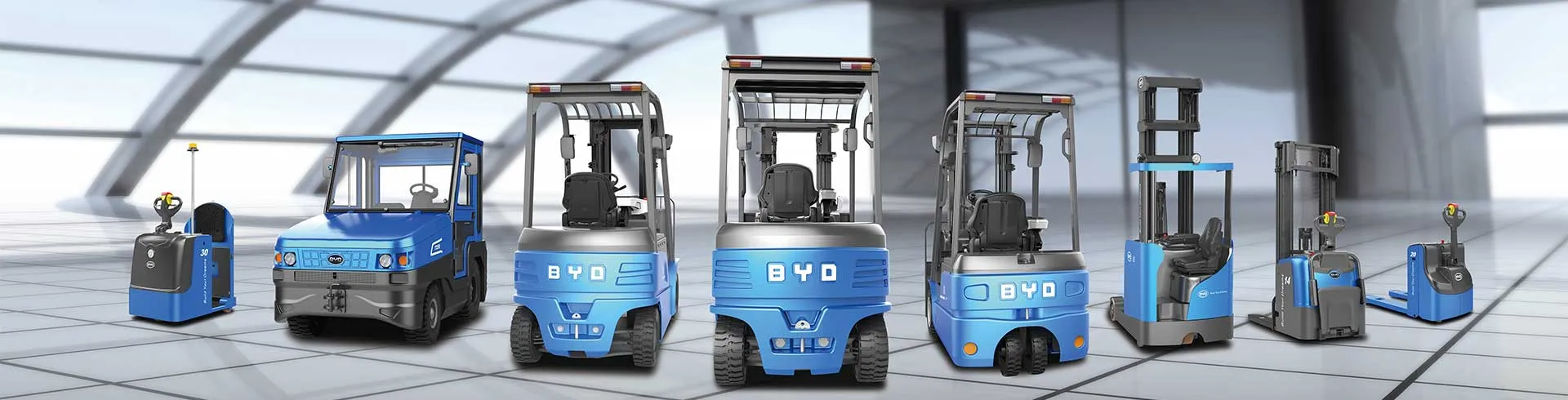
Start by understanding that lithium battery electric forklifts offer efficient, low-emission operation, but proper maintenance is key to ensuring their reliability and extending service life. Below are structured steps to follow for correct upkeep:
1. Daily Visual and Functional Inspections
Begin each shift with a thorough visual check. Examine the lithium battery casing for cracks, dents, or signs of leakage that could indicate internal damage. Inspect battery terminals and wiring for loose connections, frayed cables, or corrosion, as these can disrupt power flow. Test the forklift’s basic functions: verify the battery level indicator works accurately, check steering responsiveness, and ensure brakes operate smoothly. Address any minor issues promptly to prevent them from escalating into costly repairs.
2. Adhere to Proper Charging Practices
Using the recommended charger (avoid generic replacements) is critical to protecting the lithium battery. Never overcharge the battery; once it reaches full capacity, disconnect the charger promptly to prevent unnecessary strain. Similarly, avoid discharging the battery to extremely low levels, as this can reduce its overall lifespan. Charge the forklift in a well-ventilated area away from direct sunlight, extreme temperatures, or flammable materials. Before connecting the charger, ensure the battery and charger ports are clean and dry to avoid short circuits.
3. Follow Optimal Storage Guidelines
If the forklift will be unused for more than a week, prepare it for storage properly. First, charge the battery to 50-70% of its capacity—storing it fully charged or completely drained can damage lithium cells. Choose a storage location with a stable temperature between 10°C and 25°C, and keep it away from high humidity, rain, or freezing conditions. Check the battery’s charge level every 4-6 weeks during storage, and recharge it to maintain the 50-70% range if needed.
4. Perform Regular Cleaning and Corrosion Prevention
Keep the lithium battery and surrounding components clean to prevent debris buildup that can cause electrical issues. Use a dry or slightly damp cloth to wipe down the battery casing, terminals, and wiring. Avoid using high-pressure water or harsh chemical cleaners, as these can seep into the battery and cause damage. If you notice corrosion on terminals, mix a small amount of baking soda with water to create a gentle cleaning solution. Apply it with a soft brush, rinse with clean water, and dry thoroughly to stop further corrosion.
5. Schedule Routine Professional Servicing
While daily checks and cleaning are essential, regular professional servicing ensures long-term performance. Have a qualified technician inspect the battery’s internal components, including cell health, capacity, and internal resistance, at least twice a year. They can also check the forklift’s electrical system, hydraulic components, and other critical parts to identify potential issues early. Follow the recommended maintenance intervals to keep the forklift in optimal operating condition and avoid unexpected downtime.
By following these structured maintenance steps, you can ensure your lithium battery electric forklift operates reliably, extends its service life, and maintains consistent performance across all shifts.
.webp "How to Maintain Lithium Battery Electric Forklift Correctly?(Image1)")