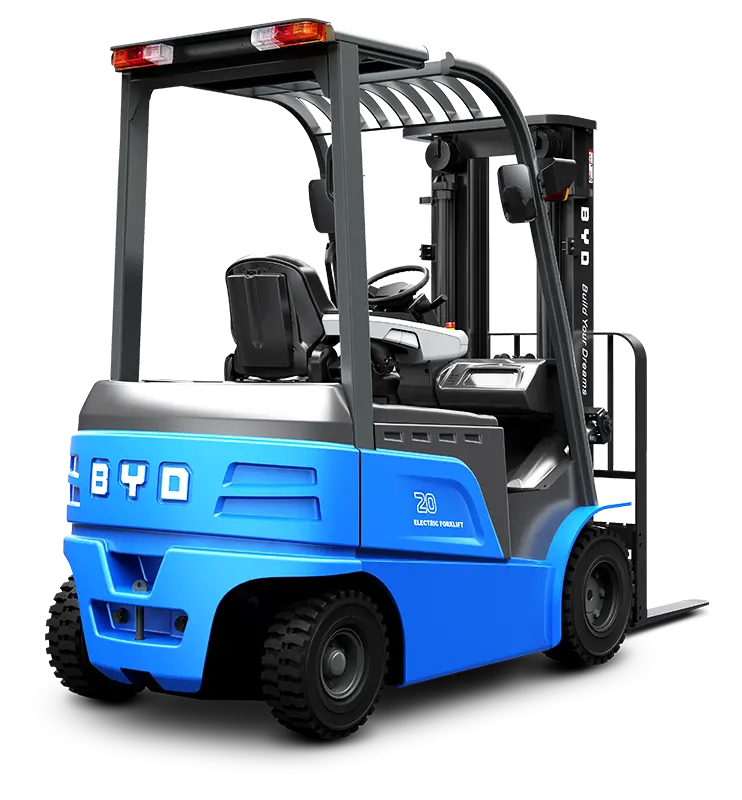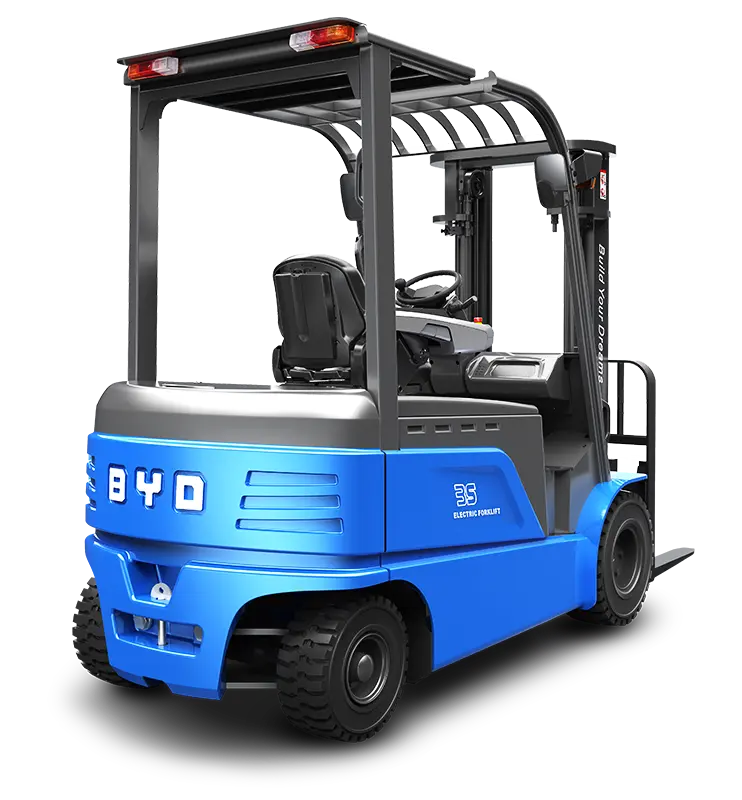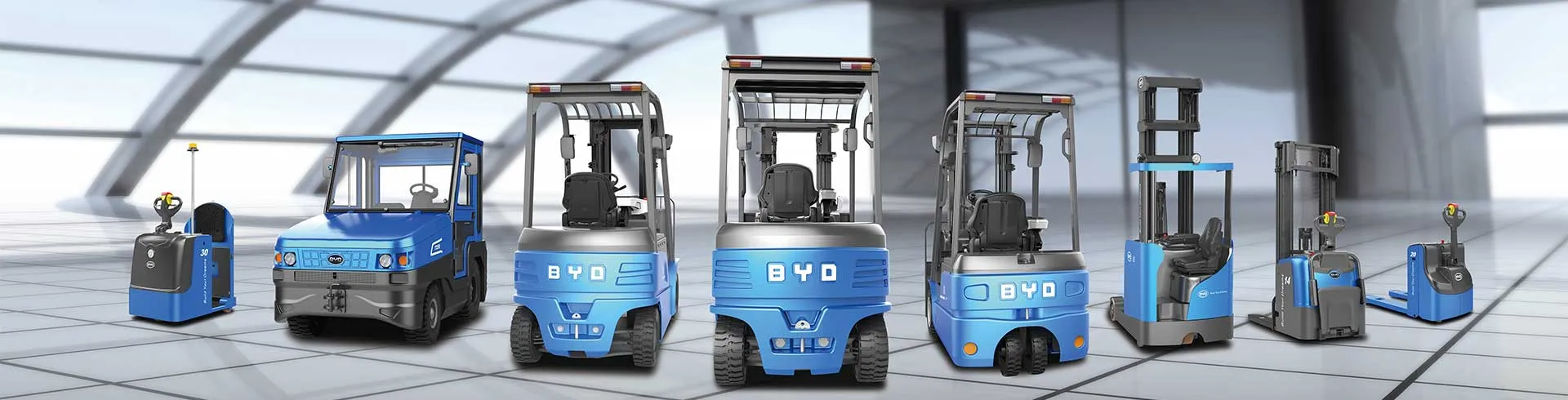
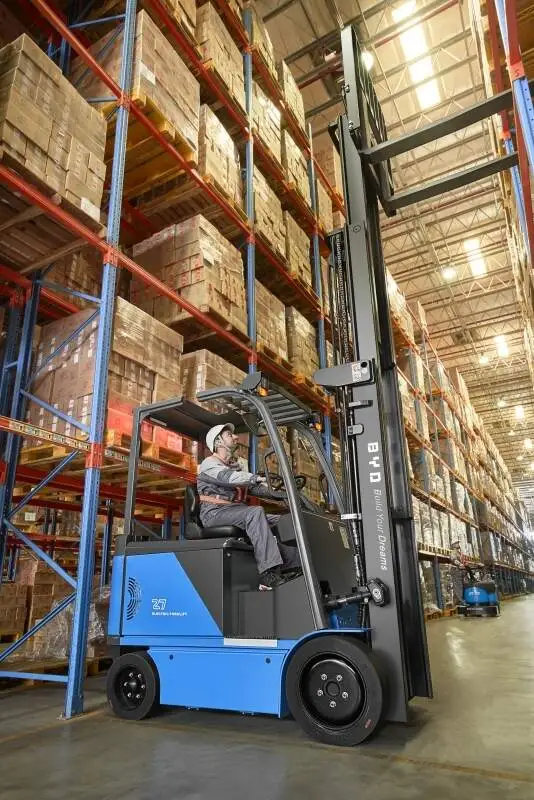
Due to the production demand of multi-shift factories, electric forklifts need to operate continuously for a long time, and the rationality of the charging scheme directly affects the operation efficiency and equipment life. Scientific matching of charging schemes requires comprehensive consideration of forklift battery characteristics, production shift arrangements and site conditions.
Charging scheme for battery type
Lead-acid batteries have a long charging cycle and need to avoid excessive discharge. They are suitable for slow charging between shifts or during non-working hours. In multi-shift scenarios, a "one charge and one backup" method can be adopted, with a spare battery pack. When the battery power in use is insufficient, replace the spare battery in time, and then fully slow charge the depleted battery to ensure the continuous operation of the forklift. Lithium-ion batteries have fast charging characteristics, which can be replenished by short shift breaks. For example, 15-30 minutes of fast charging can meet the subsequent 1-2 hours of operation needs. For factories with three shifts, quick replenishment can be completed within 10-20 minutes of each shift handover, without the need for a large number of spare batteries, saving equipment investment costs.
Charging strategy combined with shift planning
During the day shift, the work intensity is usually high. Fast charging can be carried out for the forklift during fixed intervals such as lunch breaks and shift changes to avoid interruptions due to insufficient power. If the venue allows, a small fast charging point can be set up near the operation area to reduce the time loss of the forklift to and from the charging station. During the night shift, there are relatively few operators and the site is idle. This period can be used to centrally charge all forklifts slowly. The slow charging can fully saturate the battery, while reducing the risk of heat generation during the charging process and prolonging the battery life. For factories that use the power exchange mode, the unified charging and maintenance of all batteries can be completed during the night shift to ensure that there are sufficient fully charged batteries available during the day shift.
Layout and safety regulations for charging facilities
The layout of charging facilities should be combined with the distribution of the operation area. The centralized charging station should be set in a safe area away from the main road of the operation, and at the same time equipped with ventilation and heat dissipation equipment to avoid safety problems caused by excessive temperature during battery charging. The fast charging point needs to be close to the high-frequency operation area to facilitate the quick replenishment of the forklift. In addition, a daily charging management system should be established, and a special person should be arranged to regularly check the status of the charging equipment to ensure the safe and orderly charging process.
The charging scheme for multi-shift factory electric forklifts does not have a fixed template. It needs to be flexibly adjusted according to its own production rhythm, battery type and site conditions. By scientifically matching the charging scheme, it can not only ensure the continuous operation capacity of the forklift, but also prolong the battery life and reduce operating costs.