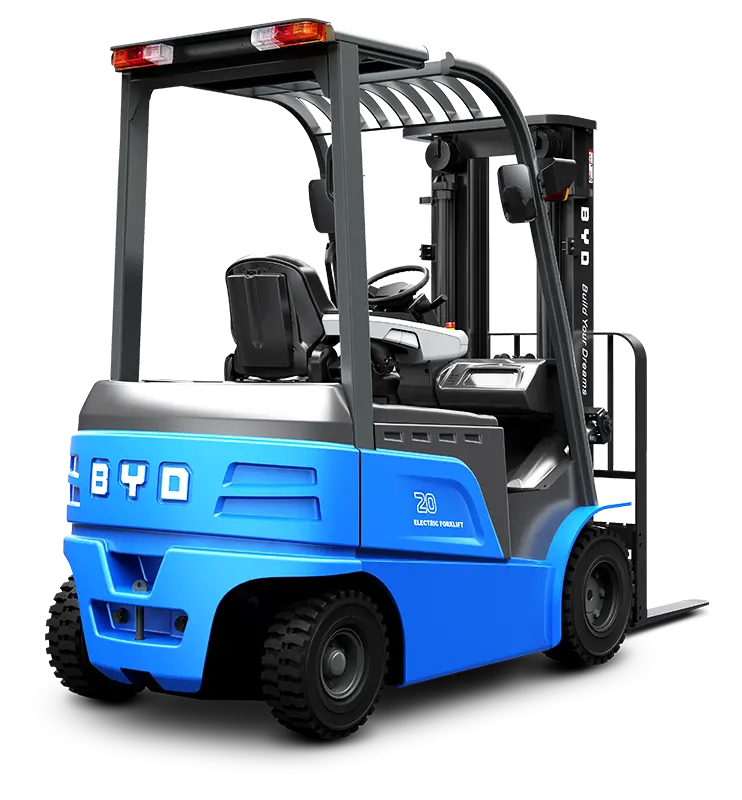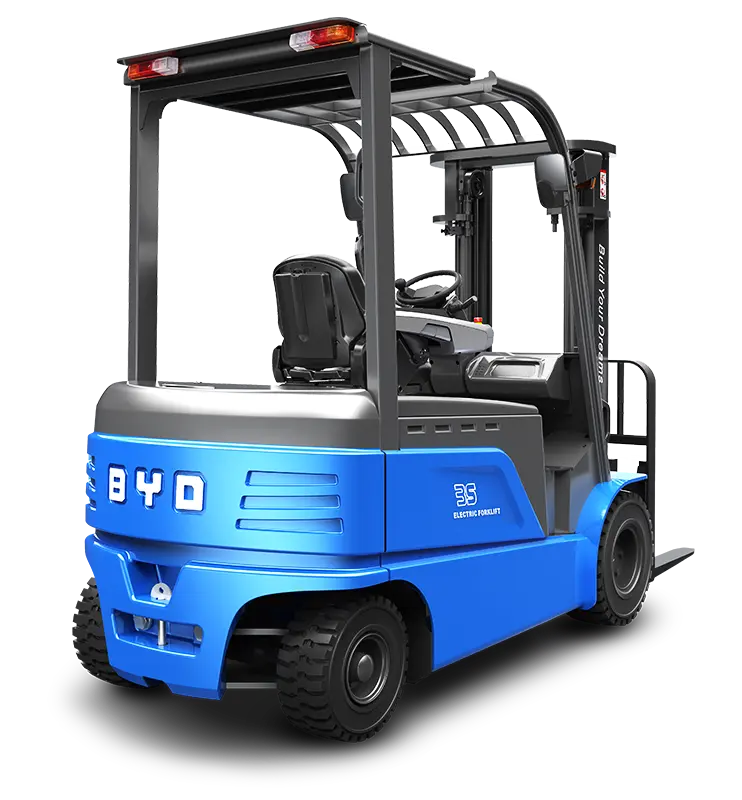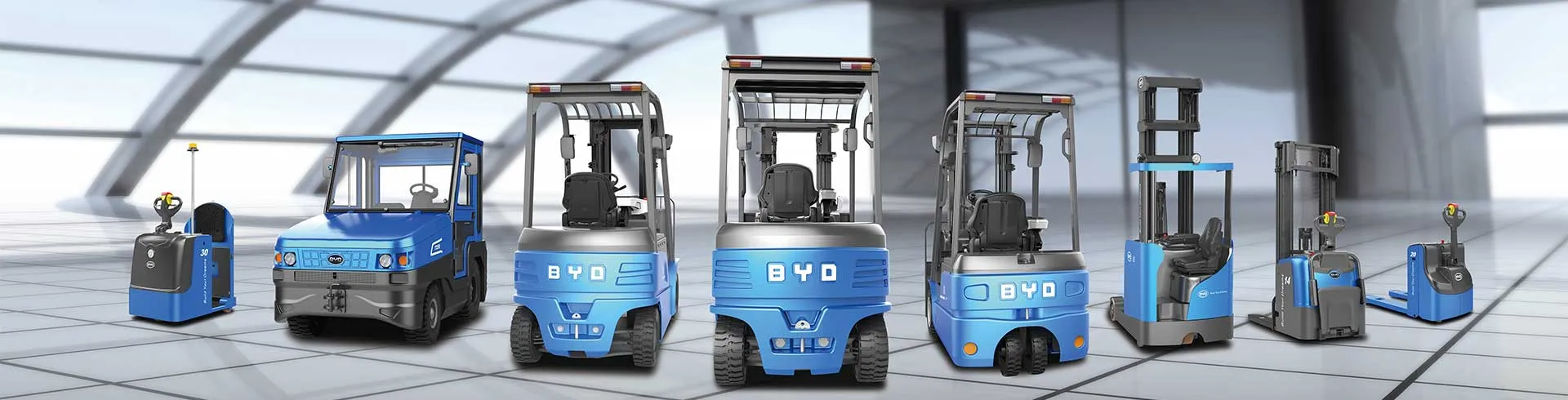
With the continuous growth of transshipment demand in logistics parks, the limitations of traditional transshipment equipment have gradually emerged, and the deployment of lithium-ion forklifts in batches has become an important direction for optimizing the transshipment system.
Batch lithium forklifts are suitable for logistics park transshipment scenarios
Unified Adaptation of Multi-job Scenarios
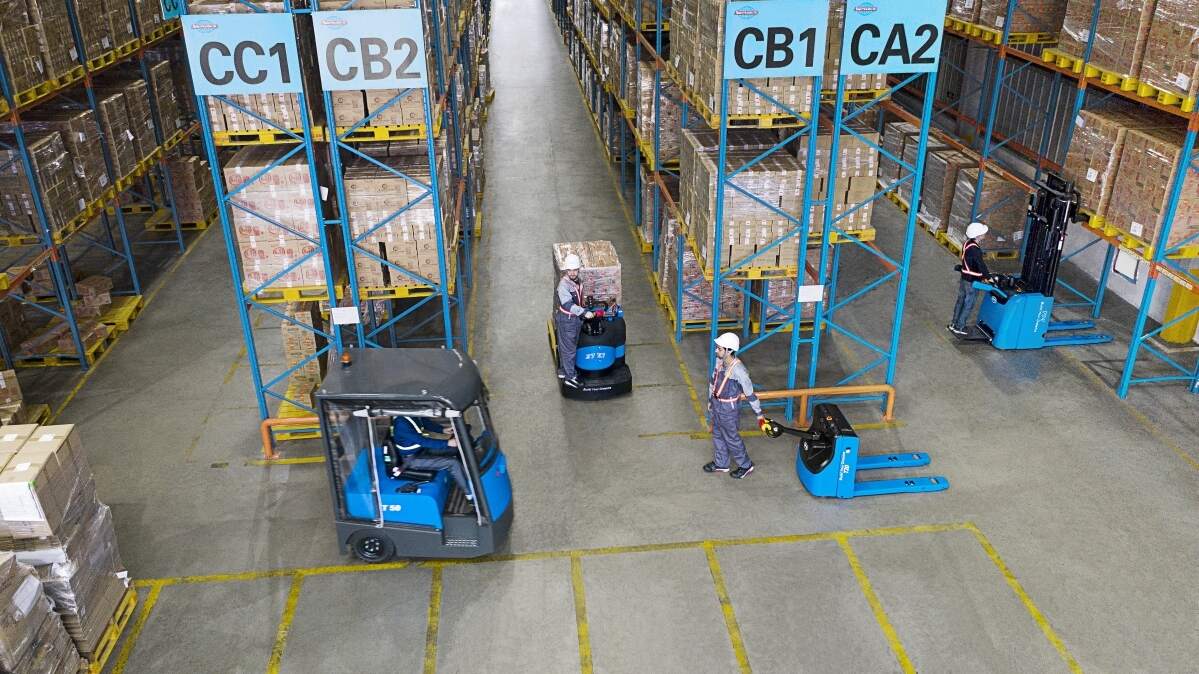
The logistics park covers a variety of operation scenarios such as warehousing depots, loading and unloading platforms, outdoor yards, etc. With its flexible handling performance, lithium-ion forklifts can operate smoothly in different environments such as narrow passages and flat sites. Compared with traditional internal combustion forklifts, its zero-emission and low-noise characteristics are more suitable for closed or semi-closed warehousing operation spaces, and will not cause pollution to the warehouse environment and goods.
The scale advantage of batch configuration
After installing lithium-ion forklifts in batches, the park can establish a unified equipment scheduling system, and flexibly allocate vehicles according to the transshipment needs of different time periods to avoid the situation of single equipment idling or insufficient capacity. At the same time, unified spare parts procurement and management can reduce operation and maintenance costs and improve equipment failure response efficiency.
Operation Optimization Path of Batch Solution for Lithium Batch Truck
Fine management and control of energy consumption and cost
The lithium-ion forklift is powered by lithium batteries, with high charging efficiency and stable energy consumption. Through the intelligent energy management system of the park, the charging period can be reasonably arranged, and the low electricity price can be used to reduce energy costs. In addition, the maintenance cycle of the lithium-ion forklift is longer, and there is no need to replace oil, filter elements and other components frequently. It can effectively reduce the operation and maintenance investment under long-term use.
Intelligent scheduling enhances transportation efficiency
Connecting the lithium-ion forklift with the intelligent dispatching system of the park can realize the real-time planning of the cargo transfer path, avoid vehicle congestion, and improve the overall transfer rhythm. At the same time, through the collection and analysis of equipment operation data, the operation process can be adjusted in time, the matching of manpower and equipment can be optimized, and the transfer efficiency can be further improved.
Key considerations for the implementation of the plan
Site and supporting facilities adaptation
Before installing lithium-ion forklifts in batches, it is necessary to plan the location and number of charging facilities in combination with the layout of the park site to ensure that the vehicle charging needs are met. At the same time, according to the ground conditions of different operation areas, adjust the configuration parameters of forklifts to ensure safe and smooth operation.
Personnel training and operation and maintenance system
In view of the operating characteristics of lithium-ion forklifts, it is necessary to organize relevant operators to carry out systematic training to familiarize themselves with the operating procedures and safety regulations of the vehicle. In addition, establish a complete operation and maintenance system, regularly check and maintain the equipment, and promptly troubleshoot potential faults to ensure the stable operation of the equipment.
The transshipment solution with lithium-ion forklifts in batches can effectively solve many pain points in the transshipment process of the logistics park. Through scenario adaptation, operation optimization and system construction, the park can achieve the goal of reducing costs and increasing efficiency, and improve the overall logistics operation level.