Pain Points of Heavy Cargo Traction at Port Terminal
As a cargo distribution hub, the port terminal needs to complete a large number of heavy containers and large cargo short-distance traction and transshipment operations on a daily basis, which has strict requirements on the traction, stability and endurance of the traction equipment. Although traditional fuel traction equipment can meet the basic traction demand, it is easy to produce exhaust pollution in a closed operating environment, and the long-term use of energy consumption costs is high. At the same time, frequent start and stop operations will also increase equipment loss and increase operation and maintenance pressure.
The Practical Application of Long Head Electric Tractor in Port
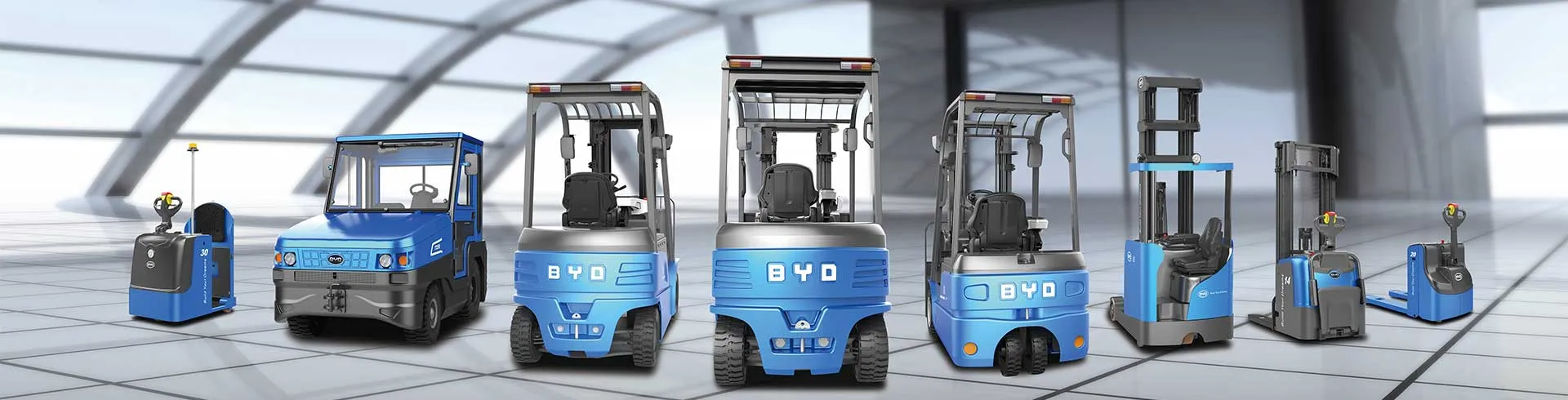
In a coastal hub port in China, a long-head electric tractor with a rated traction of 250kN has been put into daily operation. The equipment is designed for the complex working conditions of the port terminal. The long-head structure optimizes the driving vision and collision protection ability, and is suitable for the operation scenarios of narrow passages and frequent steering at the terminal. In practice, the equipment can stably pull heavy cargo groups with a total weight of more than 100 tons. It shows good handling stability in ramp starting, low-speed steering and other links, and can smoothly complete the transfer task from the container yard to the loading and unloading berth.
The job value brought by equipment application
From the perspective of energy consumption, the electric traction equipment reduces the energy consumption cost of a single operation by about 30% compared with traditional fuel models, and the charging pile supporting the port can use the low electricity price at night to complete the replenishment, further reducing the operating cost. In terms of operation and maintenance, the electric structure reduces the complex fuel system components, and the daily maintenance only needs to focus on core components such as batteries and motors, resulting in longer maintenance cycles and lower costs. At the same time, the characteristics of zero exhaust emissions are in line with the development direction of the port's green operations, helping the port to achieve double improvement in environmental protection and efficiency.