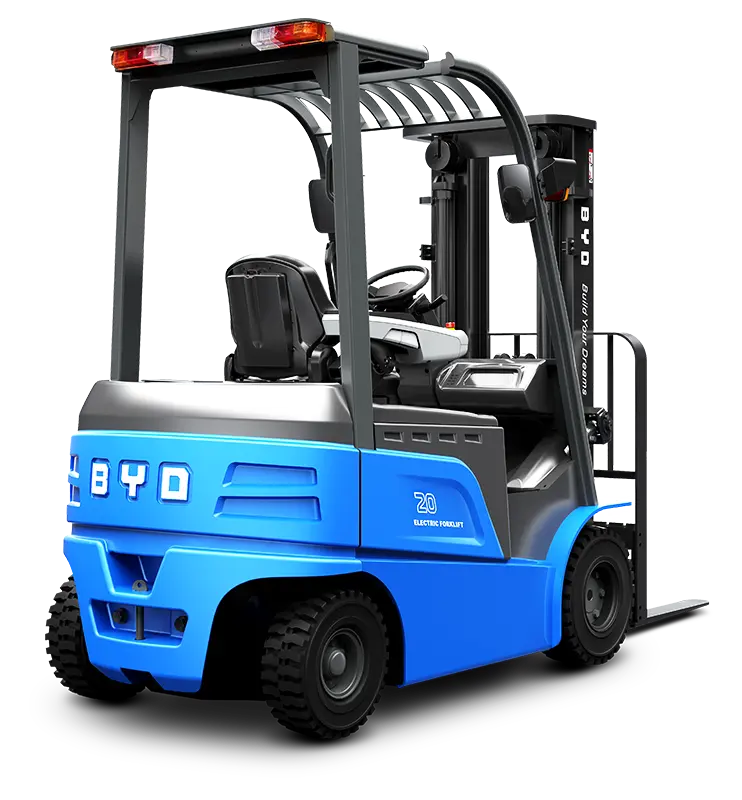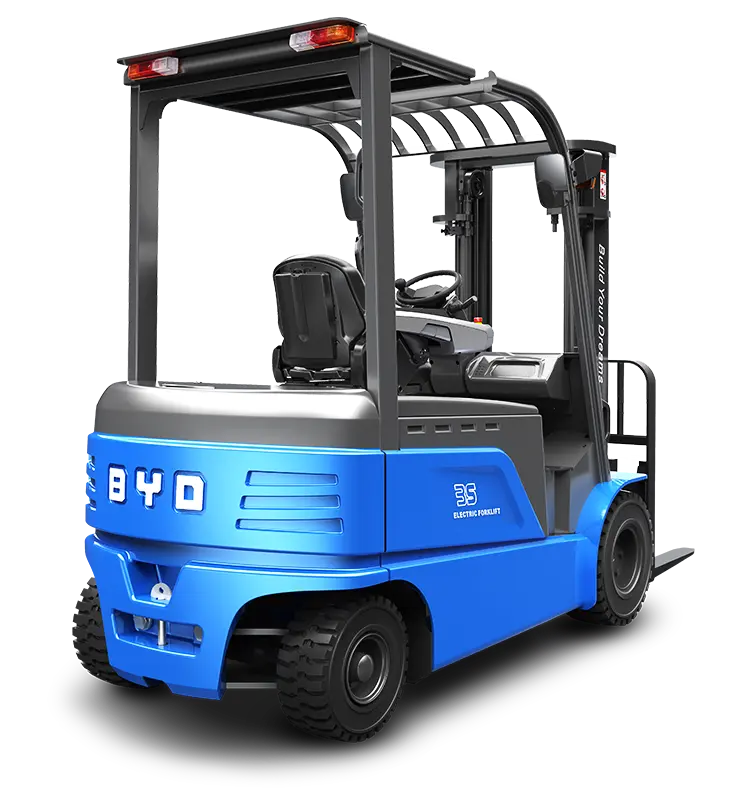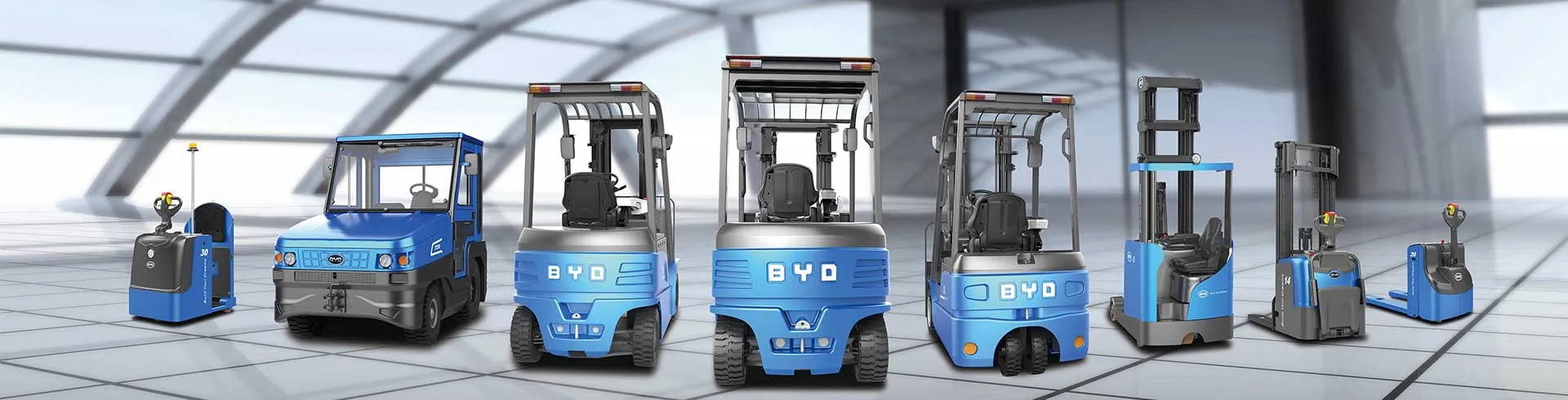
As low-carbon logistics policies and long-term cost control requirements continue to spread across the material handling industry, a growing number of enterprises are starting the process of upgrading their traditional diesel forklift fleets to electric alternatives. This transition can bring multiple tangible benefits for daily operations, but it requires systematic and practical evaluation before implementation to avoid mismatches between equipment functions and actual scenario demands.
The first core consideration is the full assessment of on-site operation scenarios. Enterprises need to sort out multiple practical parameters before selecting new electric forklifts, including daily average working hours of each vehicle, maximum load weight for regular handling tasks, gradient and flatness of working aisles, whether there are enclosed operation spaces such as cold storage and indoor cargo warehouses, and whether there are special environmental requirements such as low temperature, high humidity or dust concentration. Choosing an electric forklift configuration that exactly matches these parameters can avoid unnecessary cost waste from over-specification, while also ensuring that the equipment can support normal and stable operation under all daily working conditions.
The second important factor is the full life cycle operating cost accounting. Many users only focus on the initial procurement cost when evaluating upgrading options, which will lead to incomplete cost estimation. It is suggested that users include multiple dimensions into the accounting system, including the cost difference between diesel consumption and electric power consumption per unit of operation, the regular maintenance consumables cost of diesel forklifts compared with the daily maintenance cost of electric power systems, and the additional compliance cost related to carbon emission assessment in the operation period. For most conventional material handling scenarios, the 5-year full life cycle cost of electric forklifts shows obvious economic advantages, and users can further reduce the use cost by matching their own peak-valley electricity price policy to arrange reasonable charging schedules.
The third key point is the supporting infrastructure and operation team preparation. Before the official fleet upgrading, users need to plan the layout of charging points in the operation site in advance, reserve a reasonable charging area according to the size of the electric forklift fleet, and complete the corresponding power circuit capacity expansion to avoid problems such as long charging queues and insufficient power supply in subsequent daily operation. In addition, corresponding operation specification training for frontline operators is also necessary, to help the team quickly adapt to the operation logic of new electric equipment and reduce unnecessary equipment wear caused by improper operation.

If you have relevant demands for upgrading from diesel forklifts to electric models, Jian Shu New Energy, which specializes in BYD electric forklifts, can provide full-scenario adaptive selection and evaluation services. You can send consultation emails to 17399989919@163.com to get exclusive upgrade plan suggestions for your operation scenarios.