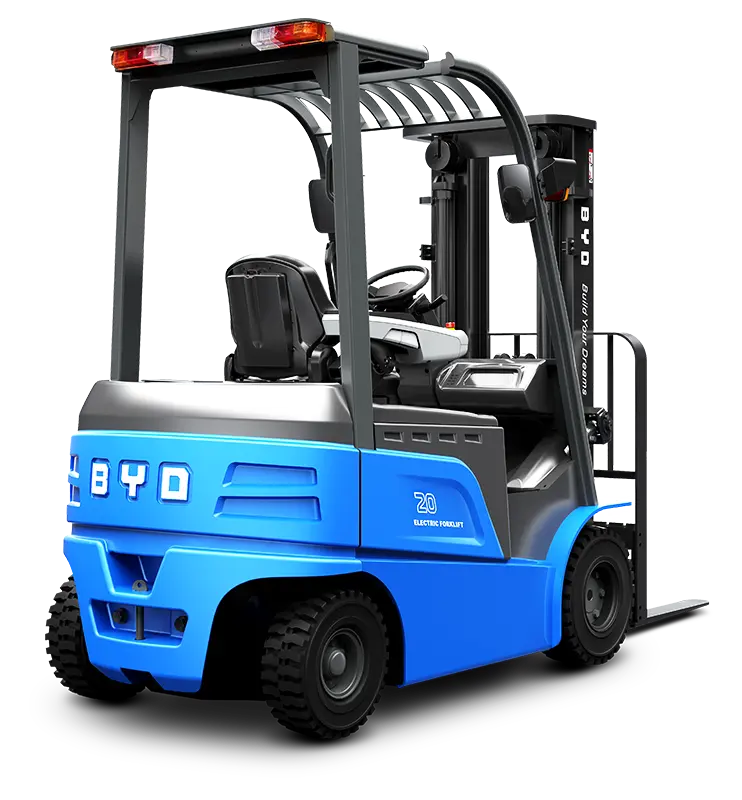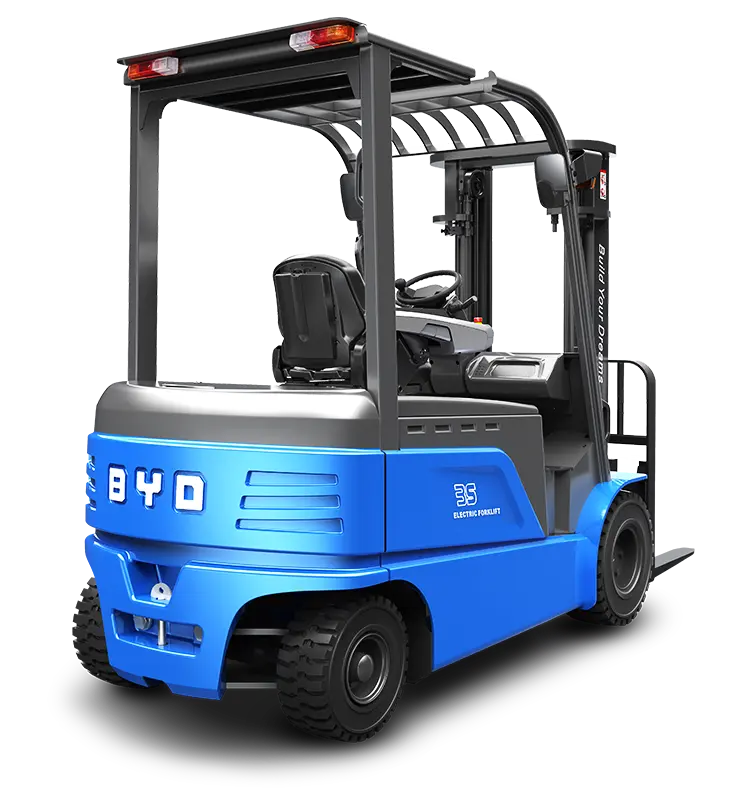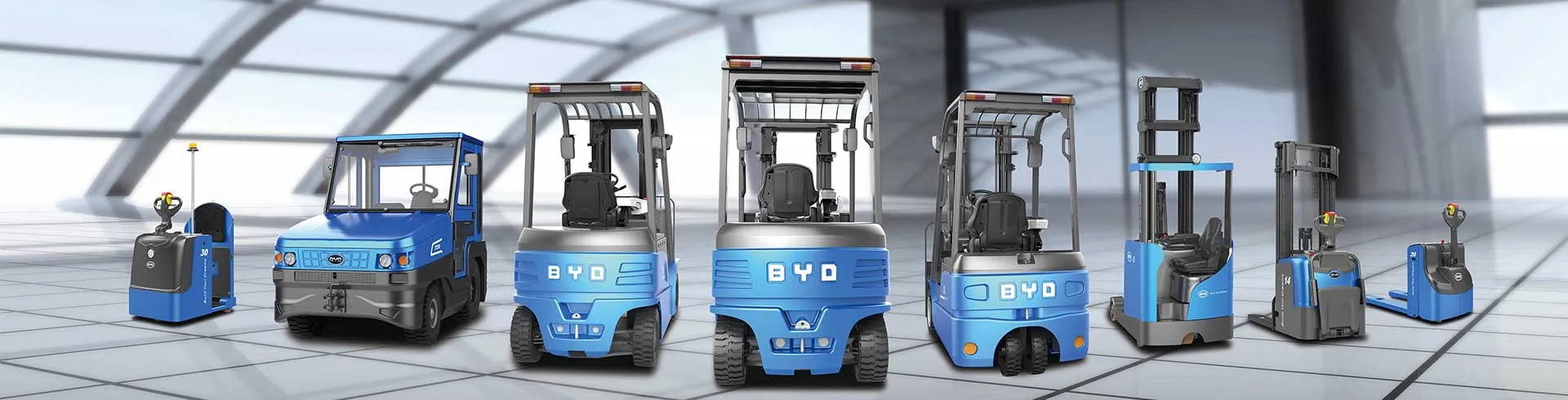
For multi-site businesses that operate warehouses, distribution centers and manufacturing hubs across different regions, inconsistent electric forklift specifications often bring hidden operational frictions that are easy to overlook in daily management.
Many companies purchase forklift equipment separately for different sites according to temporary procurement needs, leading to mismatched battery models, different operation interfaces, scattered spare parts inventory, and uneven operation training requirements for frontline staff. These differences will increase daily management costs, reduce the mobility of equipment scheduling between adjacent sites, and even bring potential safety risks caused by operators not being familiar with equipment performance parameters.
Promoting the standardization of electric forklift specifications can effectively solve the above pain points. After unifying the core parameters of power, load weight, lifting height, operation control logic and accessory matching of electric forklifts across all sites, enterprises can realize the unified deployment of spare parts reserves, complete the full staff operation training at one time, and support the cross-site dynamic scheduling of idle equipment during the peak logistics period, so as to maximize the utilization rate of the entire fleet.

As a professional supplier specializing in BYD electric forklifts, Jianshu New Energy can provide targeted specification standardization schemes according to the actual operation scenarios of different multi-site enterprises, cover the differentiated needs of low-temperature cold storage, heavy-load cargo handling, narrow channel operation and other scenes under the unified standard system, to avoid the redundant cost caused by repeated non-standard procurement. Enterprises with relevant consultation demands can send emails to 17399989919@163.com for further docking of customized services.
In the long-term fleet operation process, the standardised electric forklift specification system also helps enterprises to build a more complete digital equipment management system, accurately count the operation data, energy consumption status and maintenance cycle of all equipment, further reduce the overall operation and maintenance cost of the material handling link, and bring stable and reliable support for the daily operation of multi-site businesses.