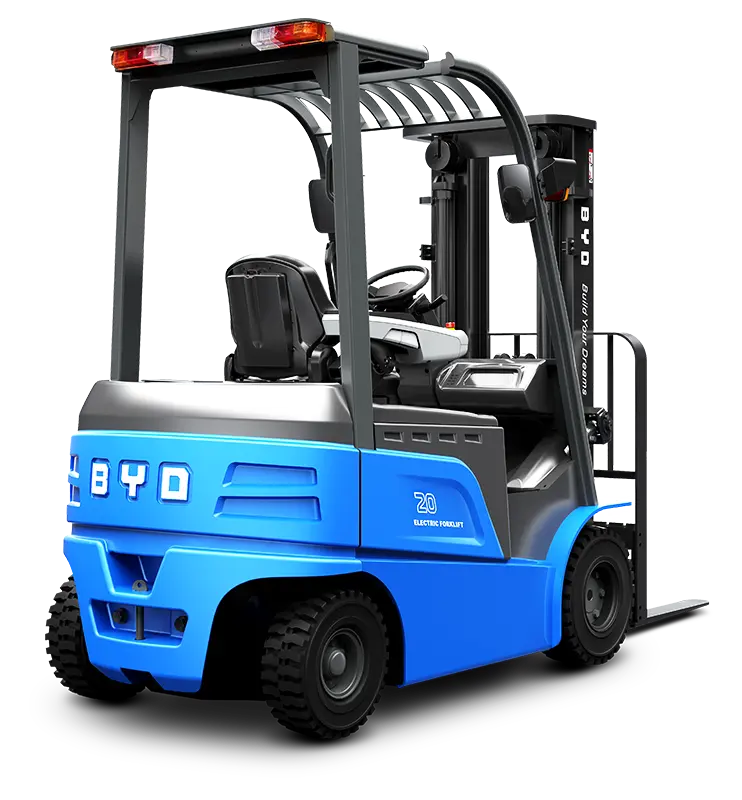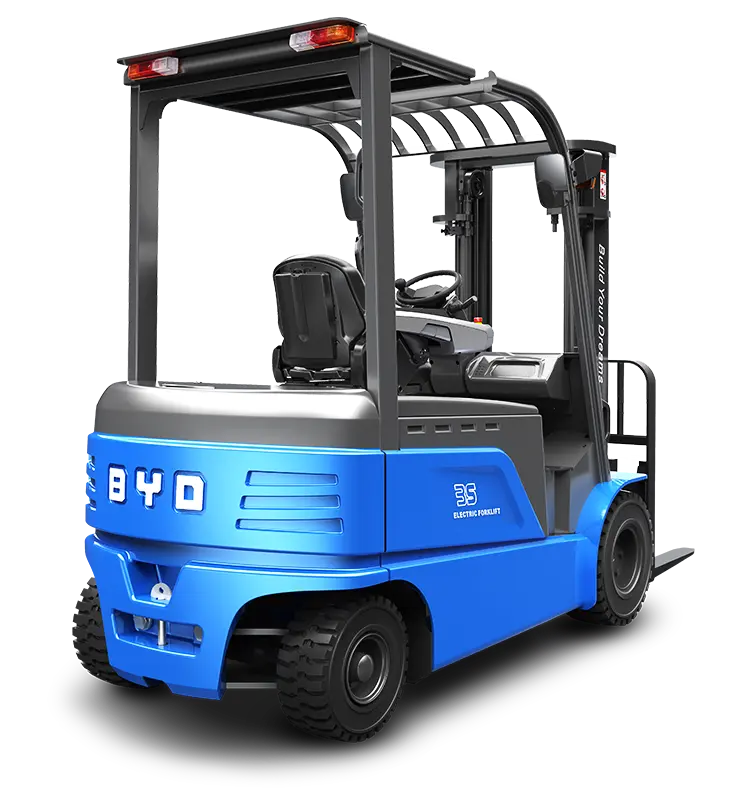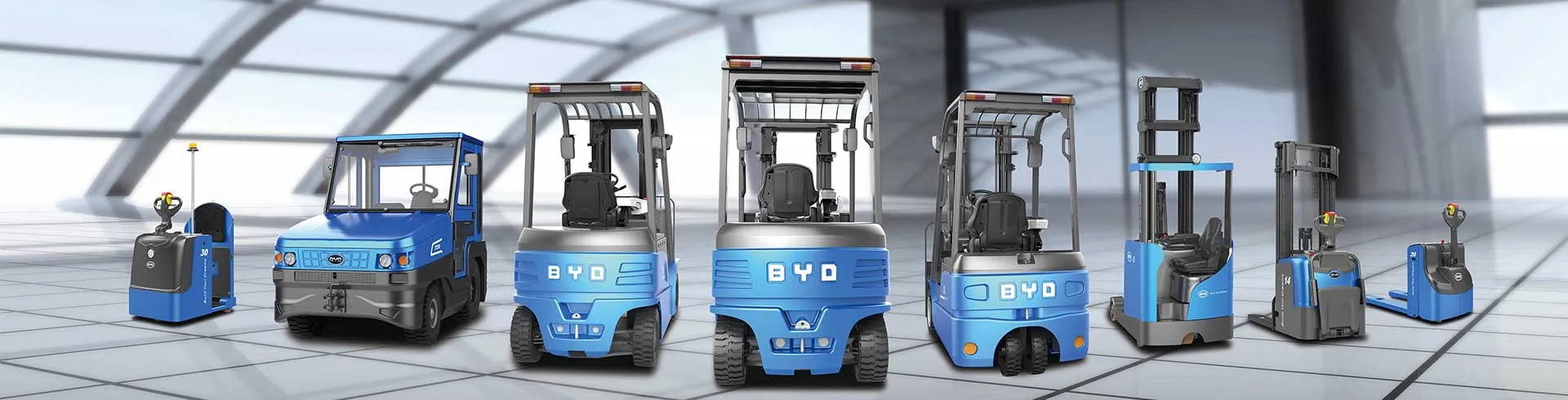
For busy 24-hour warehouses that run non-stop all day long, such as fresh cold chain storage, cross-border e-commerce distribution centers and emergency material transfer hubs, the operation rhythm never leaves long continuous time for electric forklift full charging. Traditional full charging or battery swapping arrangements will easily lead to unexpected operation interruption, reduce the turnover efficiency of goods handling, and cannot match the high-load 24/7 operation demand. Opportunity charging, which refers to supplementary charging during short idle gaps in operation, has become a highly adaptable solution for such scenarios, and a standardized workflow can maximize its practical value.
The first phase is pre-work preparation before formal implementation. Warehouse management teams can select proper idle edge areas along the main operation routes of forklifts to set up dedicated opportunity charging stations, no need to occupy large independent storage space. All operators need to receive regular standardized operation training, to make sure everyone understands that opportunity charging is only carried out during natural idle gaps, including waiting for pallet loading and unloading, shift handover window, temporary stop after finishing a batch of scheduled tasks, no one is allowed to interrupt ongoing core handling tasks for special charging.
The second phase is standard on-site operation steps. When operators confirm that their current task is temporarily suspended and there is no pending urgent handling demand, they can drive the forklift smoothly to the nearest available charging station, pull the handbrake steadily before connecting the matched charging gun, simply record current remaining battery level and estimated return time on the simple terminal next to the station. After the charging process starts, operators can do light daily work nearby, including checking operation records, wiping equipment surface and completing routine item check, no need to stay around the charging equipment all the time.

The third phase is scheduling linkage supporting mechanism. The warehouse operation scheduling system needs to synchronize the real-time data of all electric forklifts, including current remaining battery level, task arrangement and charging status. The system will prioritize arranging forklifts with remaining battery level over 30% to take long-distance cross-area handling tasks, and send gentle reminder to forklifts with remaining battery level between 20% to 30% to go for opportunity charging after finishing their current tasks, to avoid unexpected power outage that causes operation pause.
This complete set of workflow will not occupy long continuous working time, effectively extend the single-session continuous operation time of electric forklifts, fully adapt to the 24-hour non-stop operation rhythm, without extra heavy cost investment. If you need professional electric forklift configuration and operation scheme matching for your 24-hour warehouse, you can contact Jianshu New Energy, we are specialized in BYD electric forklift products, you can send consultation email to 17399989919@163.com for more details.