Pallet stackers are widely used in modern warehouse logistics scenarios to handle cargo stacking, short-distance transfer and other daily operations. Standardized operation directly relates to personnel safety, cargo integrity and the overall operation efficiency of the warehouse, so it is necessary for all operators to master clear and practical safety specifications during daily use.
In terms of load stacking guidelines, operators shall first confirm the rated load capacity of the equipment before carrying out any load stacking operation, and never overload beyond the designed load range. The goods shall be placed evenly on the two forks, to make sure the center of gravity of the whole load falls within the specified load center distance, and partial load or single-fork load lifting is strictly prohibited. When stacking goods to a high position, operators shall first confirm that the underlying goods and storage shelf structure have enough bearing capacity to avoid collapse risk. No personnel shall stand under the lifting forks or the suspended load at any time during stacking operation, and it is not allowed to use the pallet stacker to lift personnel for high-altitude operation. After the stacking action is completed, operators shall lower the forks to the specified height above the ground before moving the equipment to prevent the load from falling accidentally.

For the travel speed of the pallet stacker, operators need to adjust the speed dynamically according to different site conditions. On the wide main passage of the warehouse without pedestrians and obstacles, the equipment can run at the set normal operation speed. When entering narrow passages, turning at intersections, passing through entrances and exits, or passing through areas with dense on-site operators, the travel speed shall be reduced to the level close to walking speed, and operators shall honk to prompt surrounding personnel to pay attention to safety in advance. When the ground is wet and slippery, or there is a slope with a certain gradient in the operation area, the travel speed shall be further reduced, and sudden acceleration and sudden braking are strictly prohibited to avoid sideslip or load falling. When the height of stacked goods on the fork blocks the forward view, operators shall control the equipment to travel at ultra-low speed, or ask other personnel to guide the travel route to ensure no collision risk.
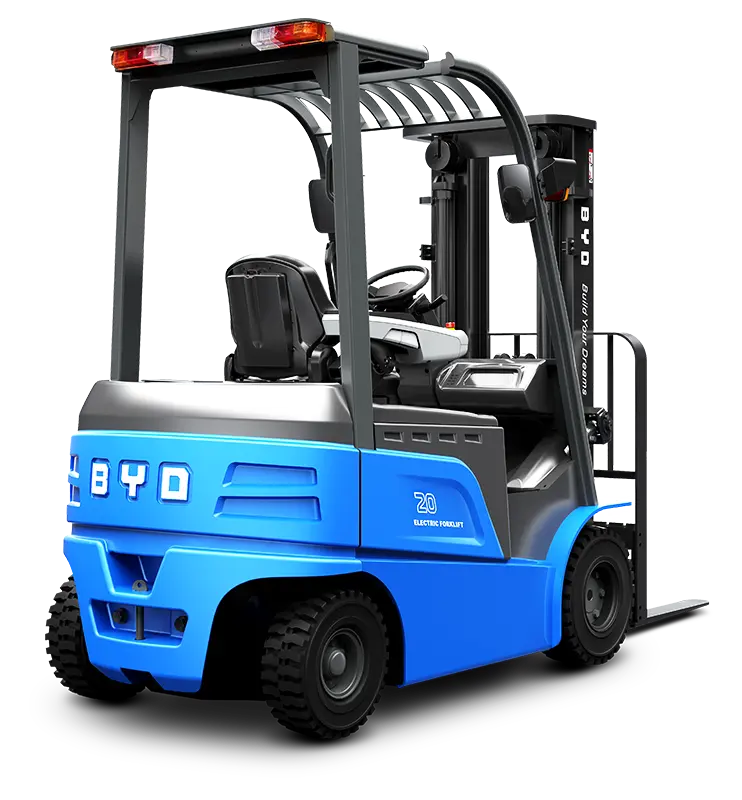
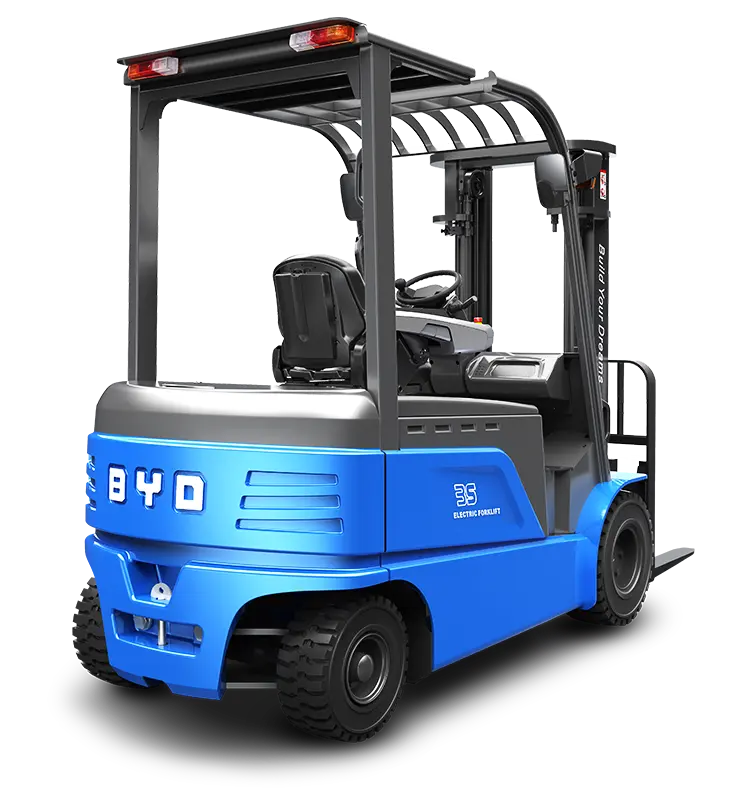
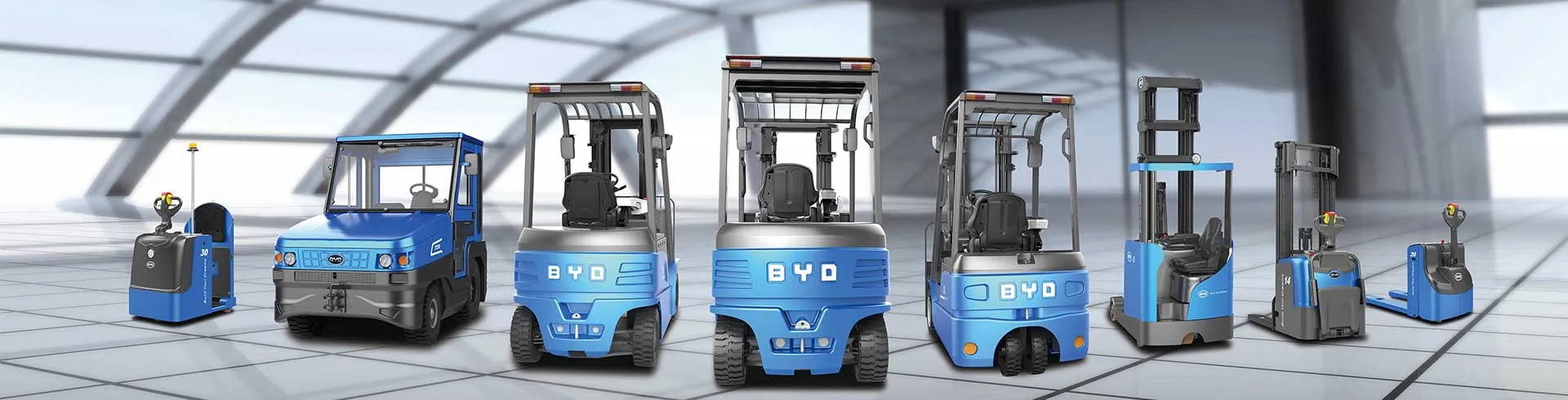
Following the above safety guidelines can effectively reduce the occurrence of operation accidents, extend the service life of the equipment, and bring stable and reliable operation guarantee for warehouse logistics. If you have relevant demands for high-quality electric forklifts, you can contact Jian Shu New Energy, which specializes in BYD electric forklift products, and send consultation emails to 17399989919@163.com for further communication.