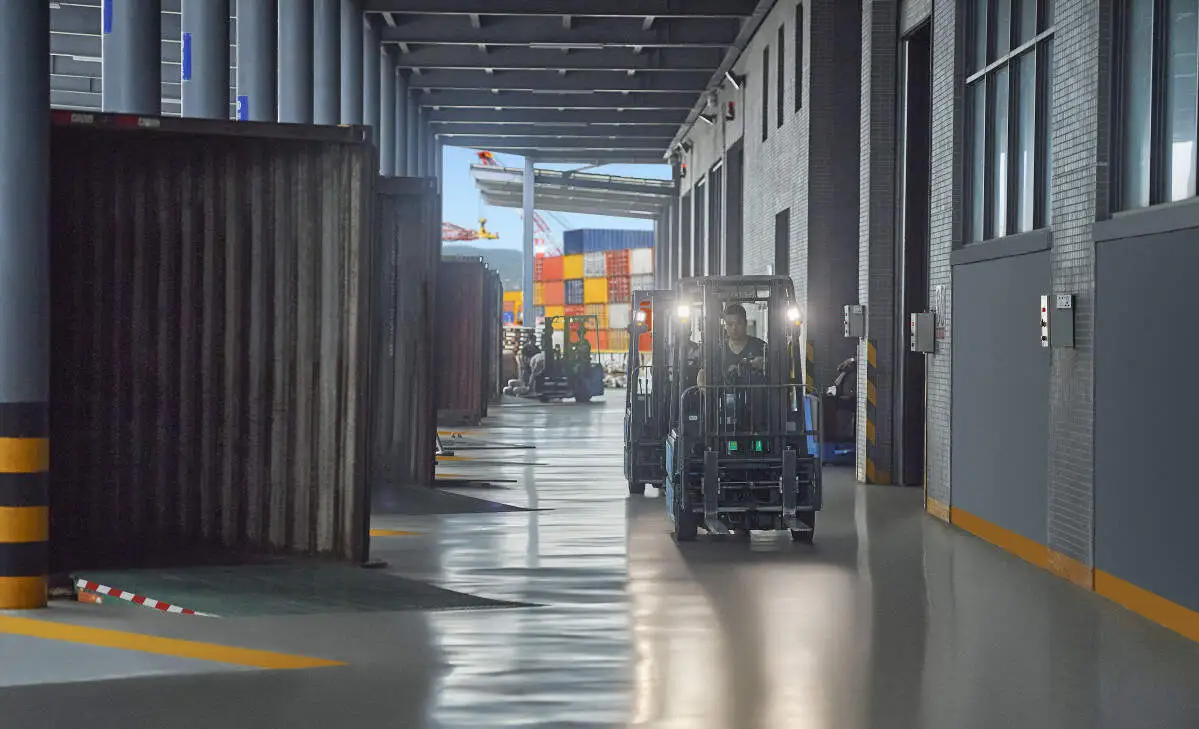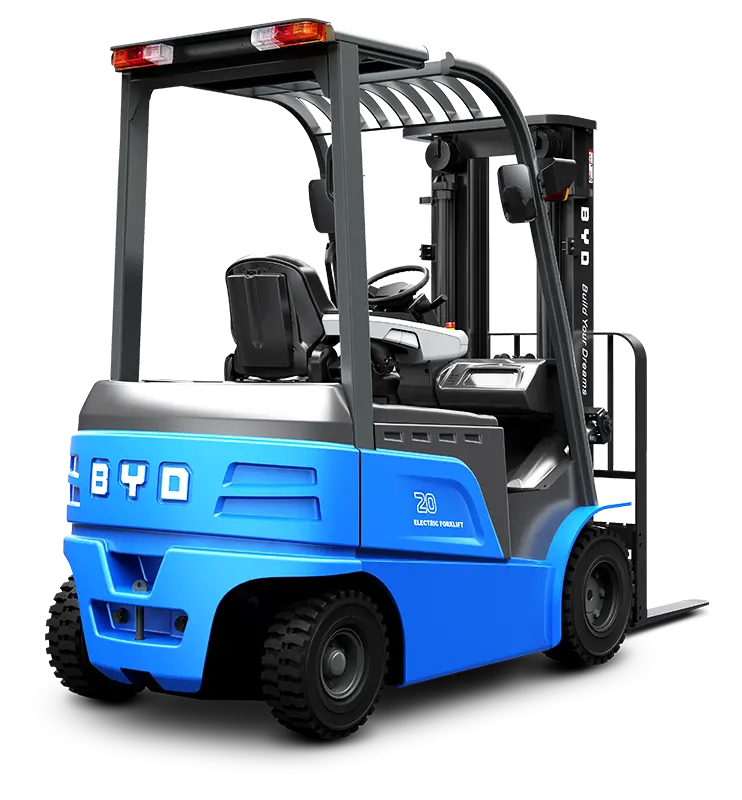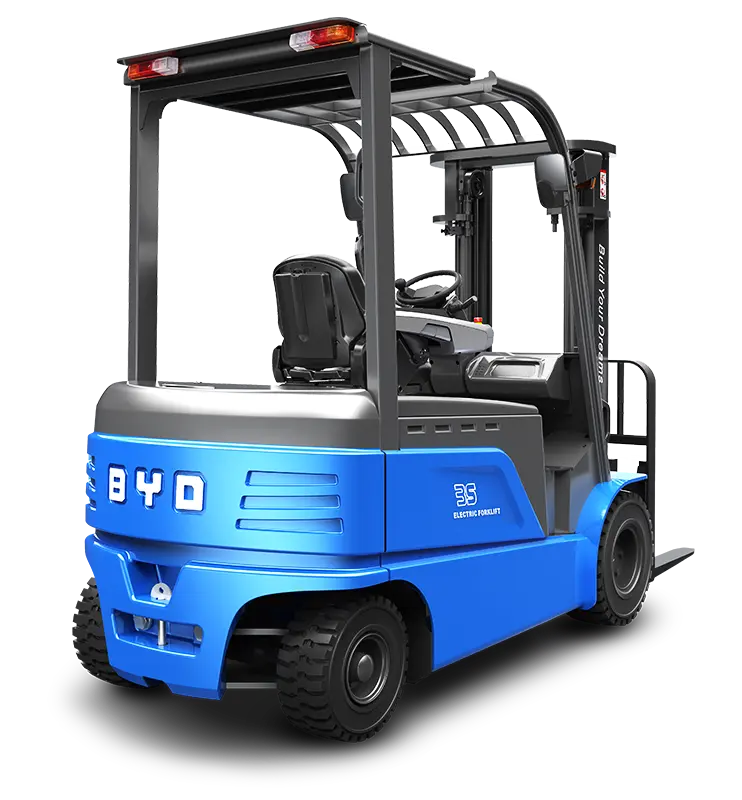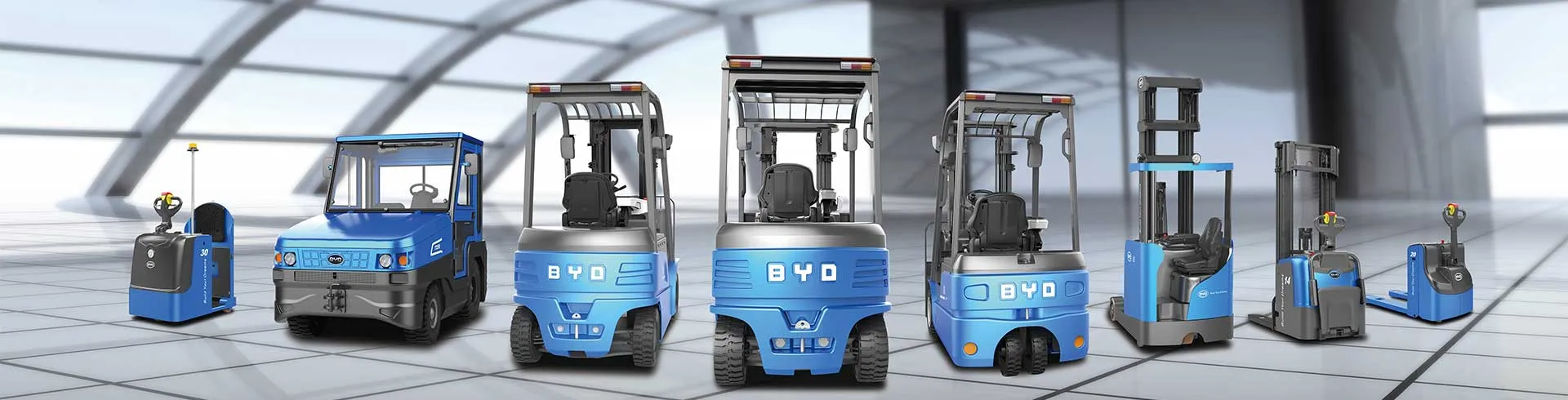
Choosing the right electric forklift size for your warehouse is a critical decision that directly impacts operational efficiency, safety, and long-term cost-effectiveness. An ill-sized forklift can lead to wasted space, reduced productivity, or even safety hazards, so taking the time to evaluate key factors is essential.
Start with your warehouse’s physical layout, particularly aisle width. Narrow aisles require forklifts with a smaller turning radius to maneuver safely without damaging racks or inventory. For aisles under 8 feet, compact electric forklifts are typically the best fit, as they can navigate tight spaces with ease. Wider aisles (10 feet or more) can accommodate larger forklifts with greater load capacities. Additionally, consider ceiling height and maximum stacking needs—if you store goods at high levels, you’ll need a forklift with sufficient lift height to reach those racks without straining or compromising stability.
Next, assess your cargo specifications. The weight of your heaviest regular load is a primary determinant of forklift capacity. It’s important to choose a forklift with a load capacity that exceeds your average heaviest load to account for unexpected variations; for example, if your heaviest load is 3,000 pounds, a forklift with a 3,500-pound capacity provides a safe buffer. The size and type of pallets you use also matter; standard 48x40-inch pallets work with most forklifts, but larger or irregularly shaped pallets may require longer fork lengths to ensure secure handling. If you handle bulky or oversized items, a forklift with a wider body or extended forks might be necessary to maintain balance during transport.
Operational needs should also guide your decision. If your warehouse has high-volume, continuous operations, a more robust electric forklift with durable components and longer battery life may be appropriate, even if it’s slightly larger. For warehouses with frequent loading and unloading at docks, consider the height of the dock and whether the forklift can easily transition between floor levels without issues. If you primarily handle light loads over short distances, a smaller, more agile electric forklift will be more energy-efficient and cost-effective, reducing unnecessary power consumption and maneuvering time.
Don’t overlook future growth plans. If you anticipate expanding your warehouse space, increasing inventory levels, or handling heavier cargo in the next few years, choosing a forklift with slightly more capacity or a flexible design can save you from needing to replace it prematurely. Investing in a forklift that can adapt to changing needs ensures you get the most value from your purchase over time, avoiding the cost and disruption of upgrading equipment sooner than expected.
In summary, selecting the right electric forklift size requires a comprehensive evaluation of your warehouse layout, cargo characteristics, operational demands, and future goals. By taking these factors into account, you can choose a forklift that optimizes material handling, enhances workplace safety, and supports your warehouse’s long-term success. If you’re unsure about which size is best, consulting with a material handling expert can provide valuable insights tailored to your specific needs.