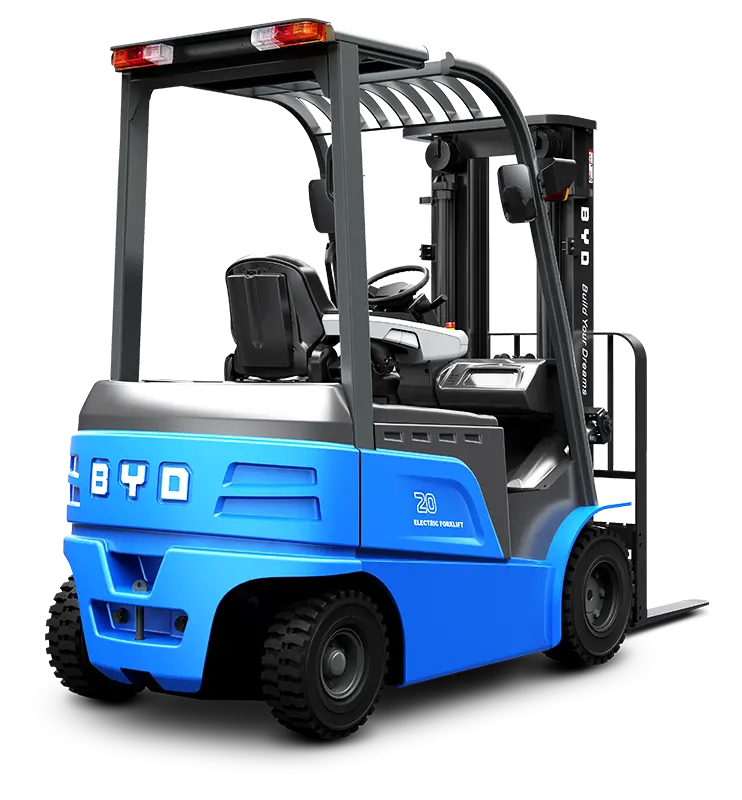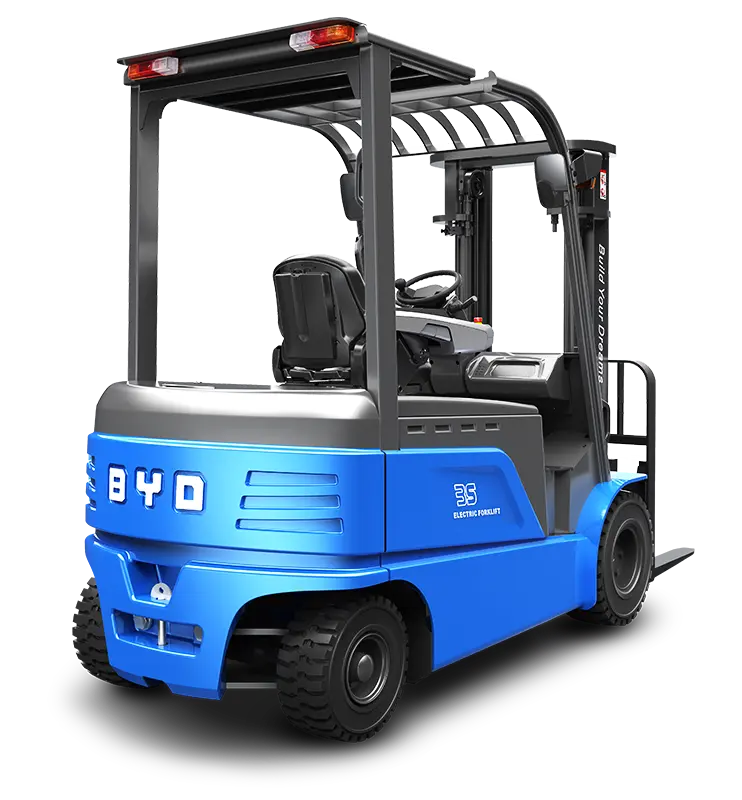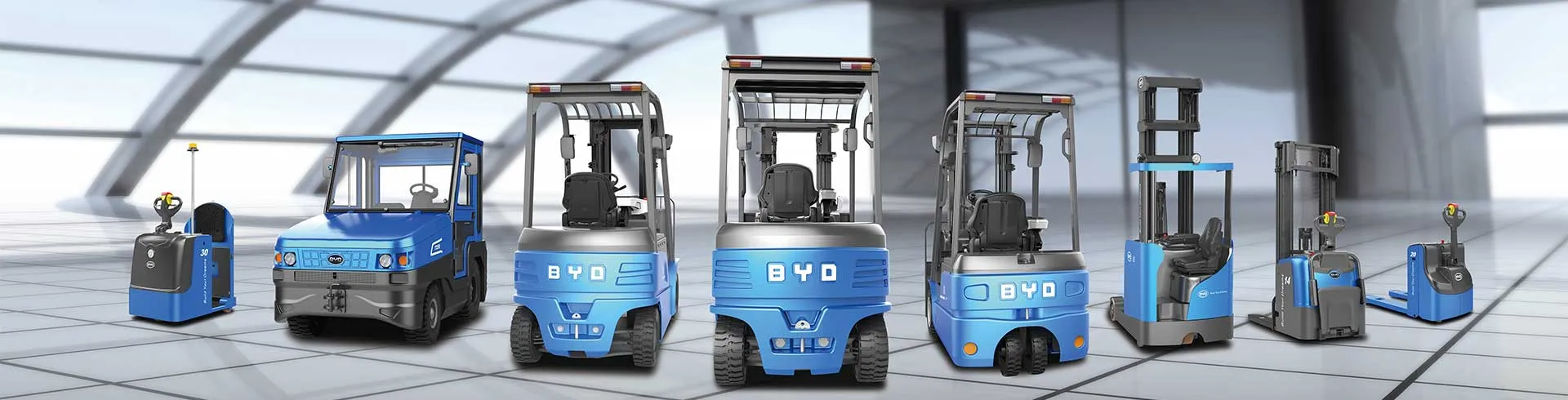
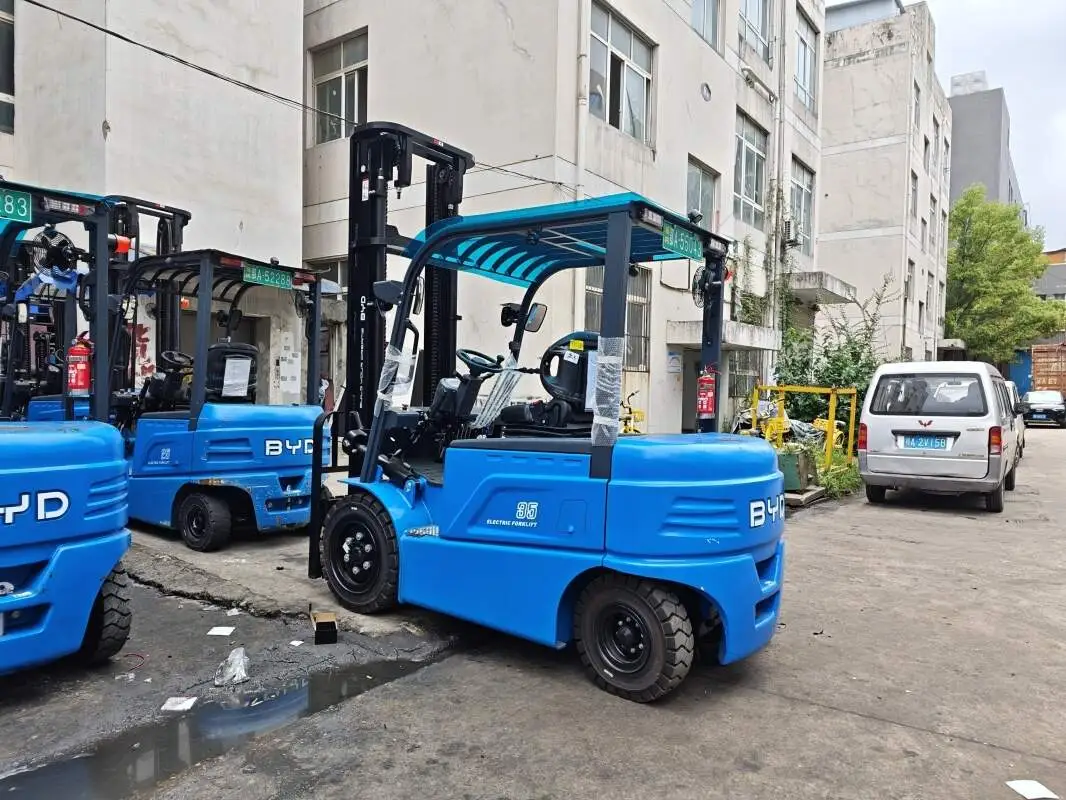
In the low temperature environment in winter, the operation state of forklifts will be significantly affected, and the performance of forklifts of different power types is significantly different. This article will compare the operation performance of electric forklifts and fuel forklifts in low temperature environments from multiple dimensions to help enterprises understand the characteristics of the two and arrange winter operations reasonably.
Starting performance is the primary consideration for forklift operation in low temperature environment. For fuel forklifts, low temperature will lead to poor fuel fluidity, increase the viscosity of lubricating oil in the engine, and decrease the discharge capacity of the starting battery. It often takes a long time to warm up to start smoothly, and even failure may occur under extreme low temperatures. The starting process of electric forklifts is relatively simple, and no preheating step is required, but the battery is less active in the low temperature environment, and the power output at the initial start will be weakened, but it can basically guarantee a successful start.
The stability of the power output directly affects the working efficiency of the forklift. In the low temperature environment of the fuel forklift, the fuel combustion is not sufficient, and the engine power will fluctuate, especially when the load operation or climbing, the power shortage is more obvious, which may lead to the interruption of the operation rhythm. The power of the electric forklift comes from the battery, and the discharge capacity of the battery is attenuated at low temperature, and the overall power level will decrease, but the output process is more stable, and there will be no power fluctuations like the fuel forklift, but the power attenuation will be greater under heavy load conditions.
The low temperature environment has an impact on the energy consumption and battery life of both. In order to maintain the operating temperature of the engine and reduce the fuel combustion efficiency, the fuel consumption of the fuel forklift will increase, and the operating cost will increase accordingly. The battery discharge efficiency of the electric forklift decreases at low temperature, and the cruising range will be shortened to varying degrees. At the same time, the charging time will also be extended, but from the perspective of the increase in energy consumption per unit operation, it is more gentle than the fuel forklift.
The maintenance cost and reliability in a low temperature environment are also important comparisons. Fuel forklifts need to be replaced with fuel and lubricants suitable for low temperature, and antifreeze, preheating system and other components are regularly checked. There are many maintenance items, and the failure rate is relatively high. The maintenance of electric forklifts focuses on the battery system. It is necessary to pay attention to keeping the temperature of the battery working environment stable, and regularly check the charging interface and battery status. The maintenance process is relatively simple, but the battery loss rate at low temperature will be accelerated, and thermal insulation protection needs to be done well.
Overall, electric forklifts are convenient to start, stable power output, and simple to maintain in low temperature environments, making them more suitable for relatively closed low temperature operating scenarios such as indoor warehouses. Fuel forklifts have more advantages in battery life stability in extreme outdoor low temperature environments, but higher maintenance costs. Enterprises can choose the appropriate forklift type according to their own operating scenarios and needs to ensure the efficient operation of winter operations.