Temporary warehouse projects often feature short operation cycles, fluctuating cargo throughput and flexible site layout adjustments, which makes one-off procurement of material handling equipment not cost-effective for most operation teams. Choosing suitable electric forklift hire services can effectively cut unnecessary capital input and avoid idle equipment waste after the project ends.

The first core best practice falls on pre-hire demand assessment. Before confirming the rental order, operation teams need to count key operation data of the temporary warehouse, including daily average handling volume, maximum cargo load, width of operation aisles, flatness of ground pavement and daily continuous operation hours, to select electric forklifts with matched parameters. Proper parameter matching can avoid extra cost brought by excessive redundant load design, and prevent operation efficiency reduction caused by insufficient equipment performance.
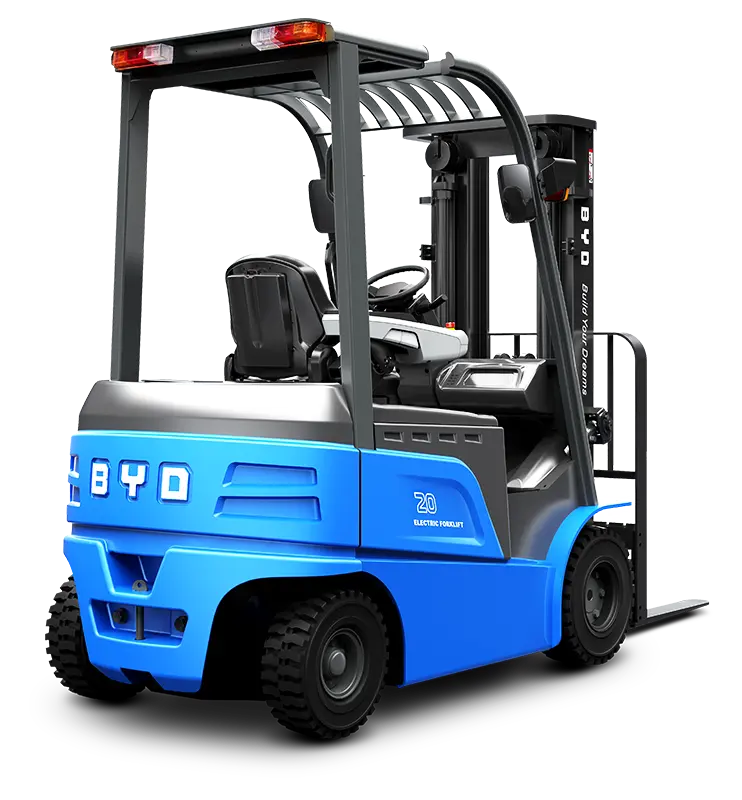
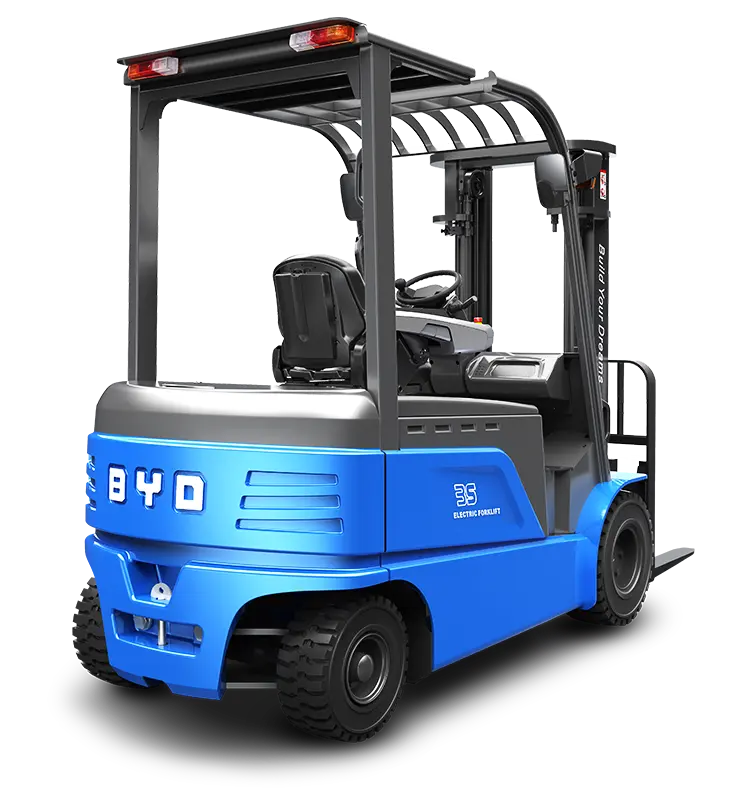
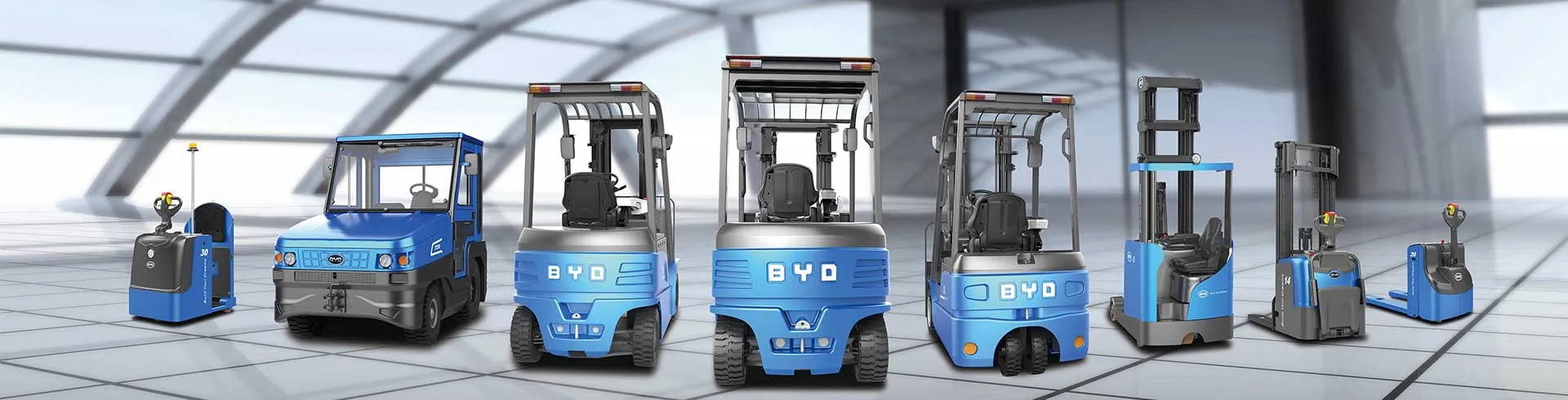
The second core best practice focuses on rental service provider selection. Operation teams are suggested to choose qualified new energy forklift service providers with complete after-sales system. As Jianshu New Energy, we specialize in BYD electric forklifts, and can provide customized hire solutions adapting to different temporary warehouse project demands. All delivered electric forklifts have passed full working condition safety inspection, with regular on-site maintenance service included to reduce equipment failure risk during project operation. You can send consultation emails to 17399989919@163.com for detailed service introduction.
The third core best practice covers on-site operation management. After the rented electric forklifts are delivered, the management team needs to provide basic operation training for related on-site workers, set clear speed limit rules in different operation zones, arrange standard charging process after daily operation, and finish regular daily inspection for core components. These measures can effectively extend equipment service life and avoid unnecessary extra charges during the rental period.

Following these practical best practices can help temporary warehouse projects get stable and efficient material handling support under controllable cost, and fully adapt to the flexible operation demands of temporary storage scenarios.